
Six regions, from the Pacific coast to the Andes and the Amazon. How many days each one needs, the best time to go and the routes that connect them, from a local planner.
The best places to visit in Peru are Cusco and Machu Picchu, Lima, Arequipa and the Colca Canyon, Lake Titicaca, the Amazon and the Paracas–Huacachina coast. Most trips start in Lima and center on Cusco; the south and the Amazon are the usual add-ons. The trick is the order: altitude goes from sea level in Lima to 3,830 m in Puno, so plan the route to go up gradually.
Each guide has sample itineraries, things to do, where to stay and local tips.
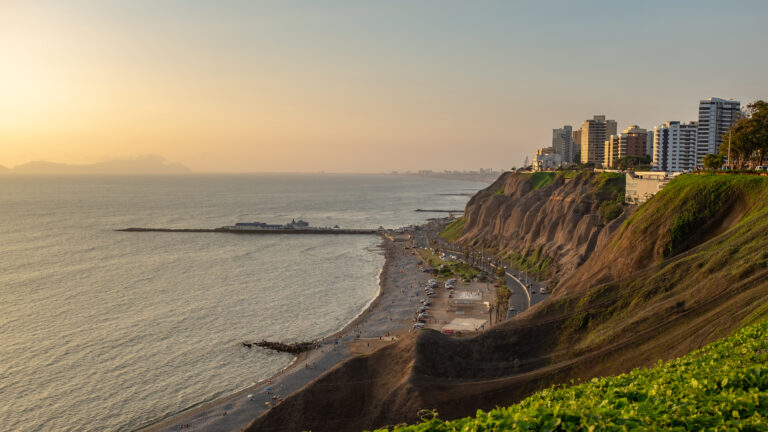
Where most trips start: world-famous food, a UNESCO colonial center and cliffs over the Pacific.
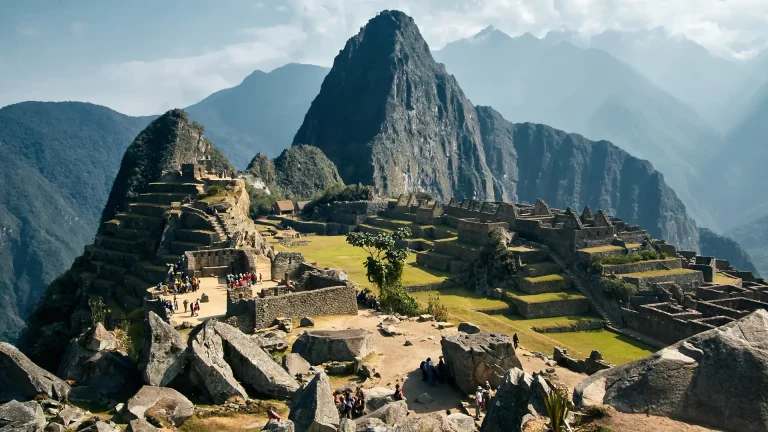
The Inca capital, the Sacred Valley and Machu Picchu. The heart of any first trip to Peru.
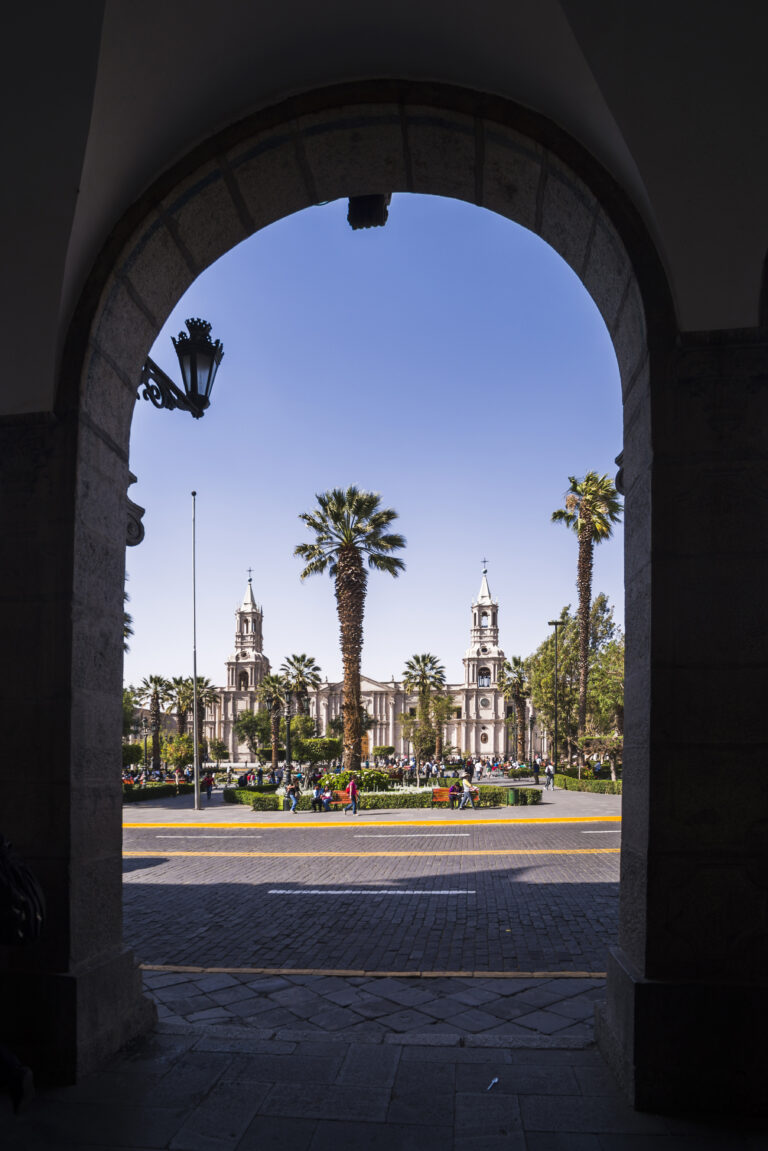
The white city of volcanic stone and the canyon where condors fly. A gentle first step in altitude.
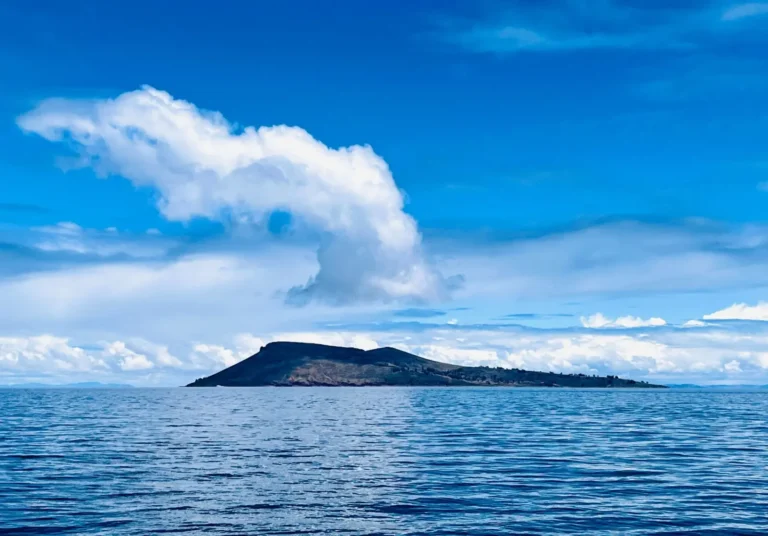
The highest navigable lake in the world: floating reed islands and a night with a family on Amantaní.
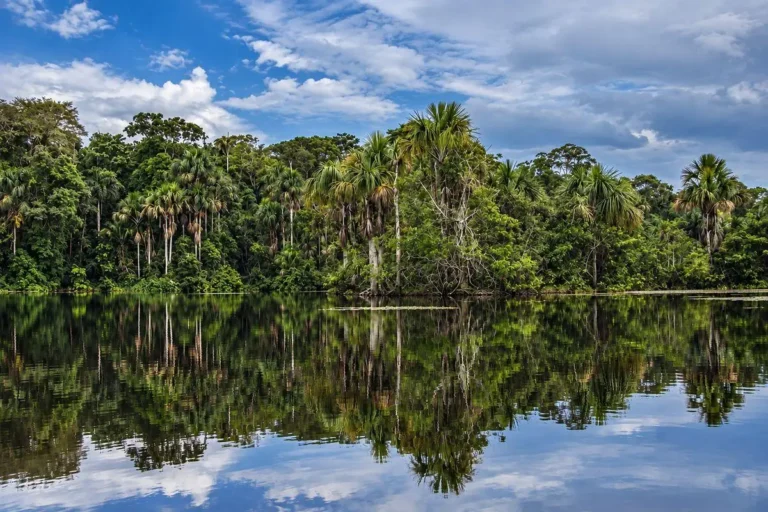
Primary rainforest one short flight from Cusco: macaws, giant otters and caimans, from a jungle lodge.
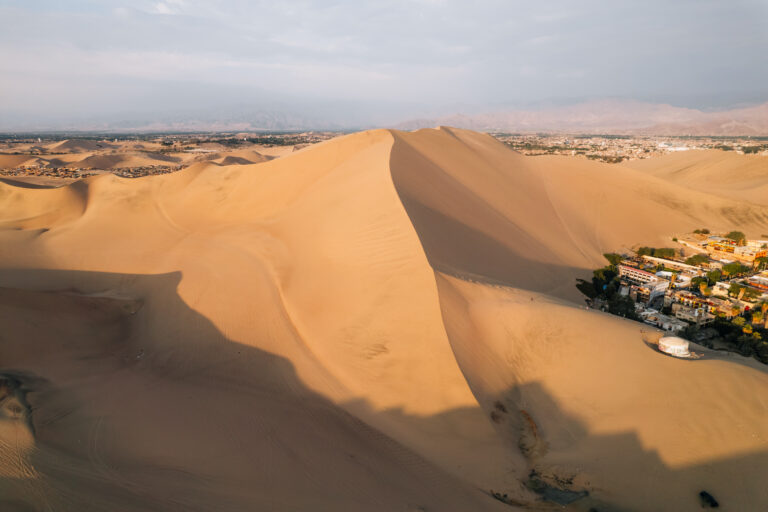
Sea lions on the Ballestas Islands, dunes and sandboarding in the Huacachina oasis, and pisco vineyards.
Days, altitude and season at a glance. Tap a row to open the guide.
Three routes that work, each a starting point we adapt to your dates.
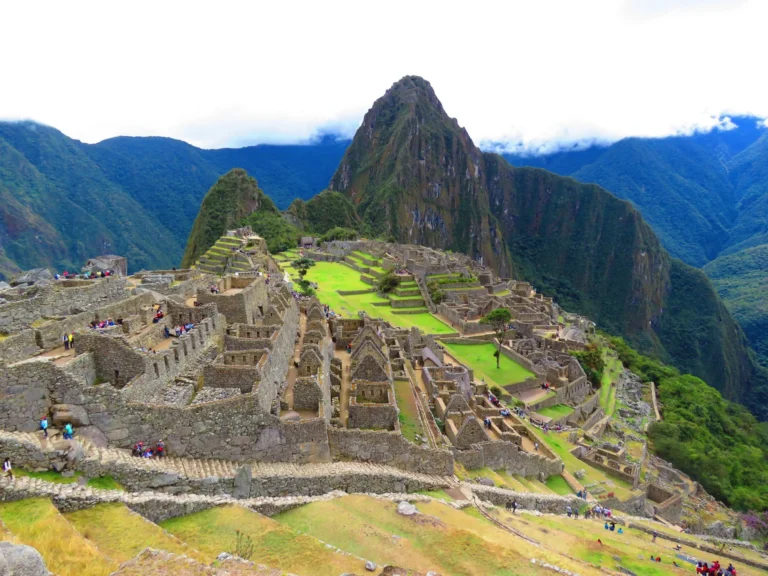
Peru Essentials: two days in Lima, then Cusco, the Sacred Valley and Machu Picchu.
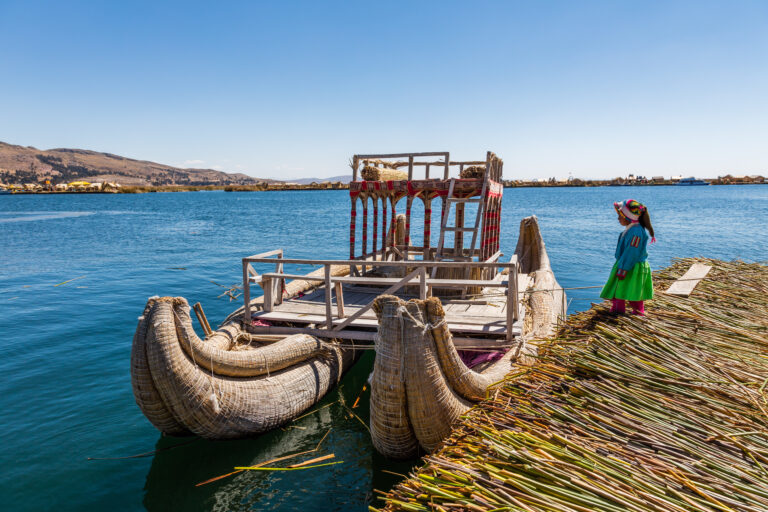
The white city, the condors and the islands, then on to Cusco by the Ruta del Sol.
Fly from Cusco to Puerto Maldonado and add three days at a rainforest lodge.
Not in our guides yet, but we can plan them on request.
Peru’s best high-altitude trekking, with turquoise lakes like Laguna 69. About 8 hours by bus north of Lima.
The giant desert drawings, seen on a short flight. They fit with Paracas and Huacachina on the way south.
The Amazon city reachable only by plane or boat, with river lodges. An alternative to Tambopata if you fly from Lima.
A pre-Inca fortress in the cloud forest of northern Peru, far from the crowds.
Beaches with sun most of the year, a good way to end a trip.
“Perfectly tailored to us. From the first moment, we felt that we were truly listened to.”
“Jaim was lovely and available for every request we had, and helped with everything we asked. Warmly recommended!”
For a first trip, 7 to 8 days covers Lima, Cusco, the Sacred Valley and Machu Picchu. With 10 to 12 days you can add Arequipa and Lake Titicaca, or the Amazon. With two weeks or more you can do the whole south.
7 days: Lima and Cusco with Machu Picchu. 10 days: add the Amazon after Cusco, or Arequipa before it. 14 days: Lima, Arequipa and Colca, Puno and Lake Titicaca, then Cusco and Machu Picchu.
Go up gradually: Lima at sea level, Arequipa at 2,335 m, Colca and Puno at around 3,600 to 3,830 m, then Cusco at 3,399 m. If you fly straight to Cusco, start in the Sacred Valley, which is lower, at about 2,800 m.
For the Andes (Cusco, Arequipa, Puno), the dry season from May to September, with April and October also good. Lima is sunny from December to April. The Amazon is drier from April to October.
Fly between Lima and Cusco (about 1 h 20) and from Cusco to the Amazon. In the south, the bus works well: Arequipa to Puno is about 6 hours, and the Ruta del Sol from Puno to Cusco is a full day with guided stops.
No. We plan the whole route, hotels, tours and transfers around your flights, and you book the flights yourself. We tell you which flights to look for.
In the high season, from May to September, Machu Picchu tickets often sell out two months or more ahead, and the trains fill up too. Book the Machu Picchu day first and build the rest of the trip around it.
Cusco, for a first trip: Machu Picchu and the Sacred Valley are why most people come. Add Arequipa if you have three more days, or choose it over Cusco if you’ve already been there.
A day-by-day plan with hotels and the full price, from a local, not a bot.