Arequipa & Colca in 2 days
The historic center and the condors, when you’re short on time. Day 2 is long.
- Day 1
- Historic center walking tour; add Santa Catalina Monastery.
- Day 2
- Colca full day: 03:00 pickup, Cruz del Cóndor, back around 18:00.

Peru’s white city, built in volcanic stone under the Misti, and the canyon where condors fly. Most travelers give it 3 days on the way to Lake Titicaca.
Arequipa is Peru’s second city and the base for the Colca Canyon, one of the deepest canyons in the world, where Andean condors glide past the viewpoint every morning. Its historic center, built in white volcanic sillar, is a UNESCO World Heritage Site, and the food is some of the best in the country.
One day for the city, one or two for Colca. Four if you want to trek.
Lower than Cusco or Puno. The road to Colca crosses a pass at 4,910 m.
Dry and sunny. January to March brings afternoon rain in Colca.
14–15 hours door to door. The 2-day tour starts at 8:00.
Updated September 2026
Add any of these to your Peru trip. We plan them around your flights or your bus from Puno or Cusco.
The historic center and the condors, when you’re short on time. Day 2 is long.
Colca on the way to Lake Titicaca: a night in Chivay instead of driving back to Arequipa.
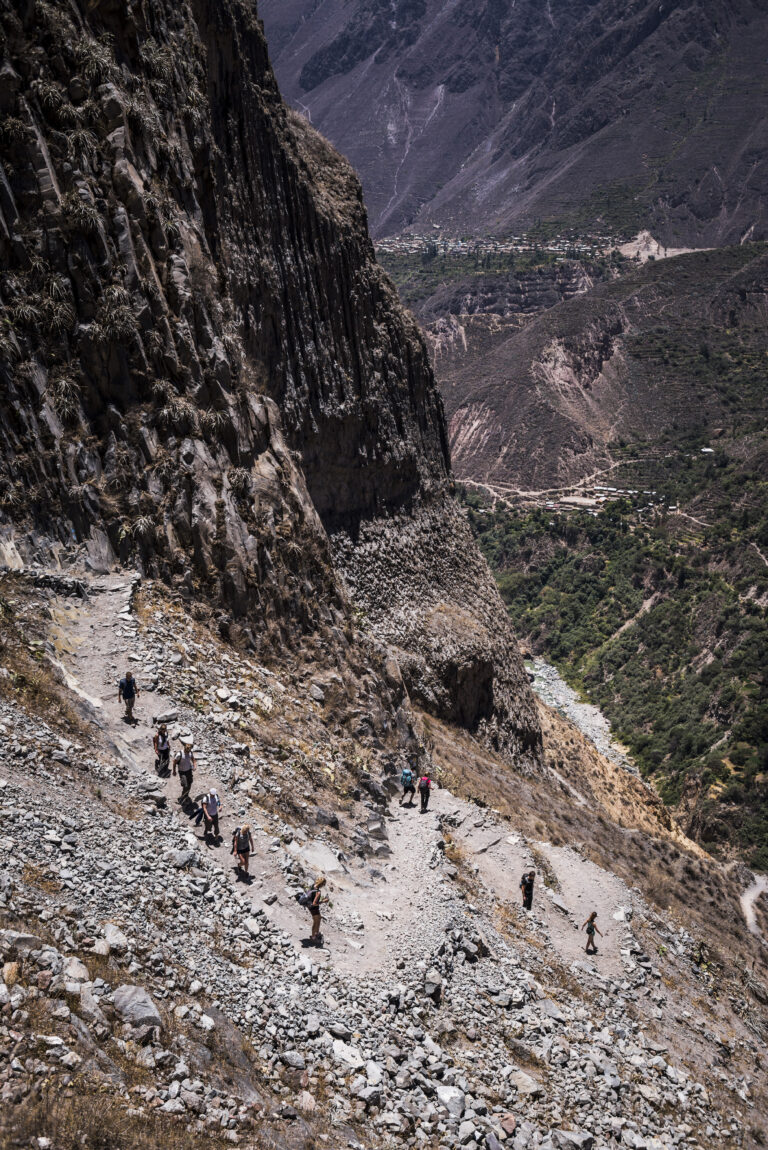
Hike down into the canyon and sleep at the Sangalle oasis. For fit hikers.
Group tour prices per person, the same if you travel solo. The Colca tourist ticket (S/ 70 for foreign visitors) and lunches are paid in cash on the day. Airport transfers and hotels in Arequipa are quoted with your trip.
Give the city one full day and Colca at least one more. The rest depends on how much time you have.
Plaza de Armas, the cathedral and the Jesuit church, all in white sillar stone.
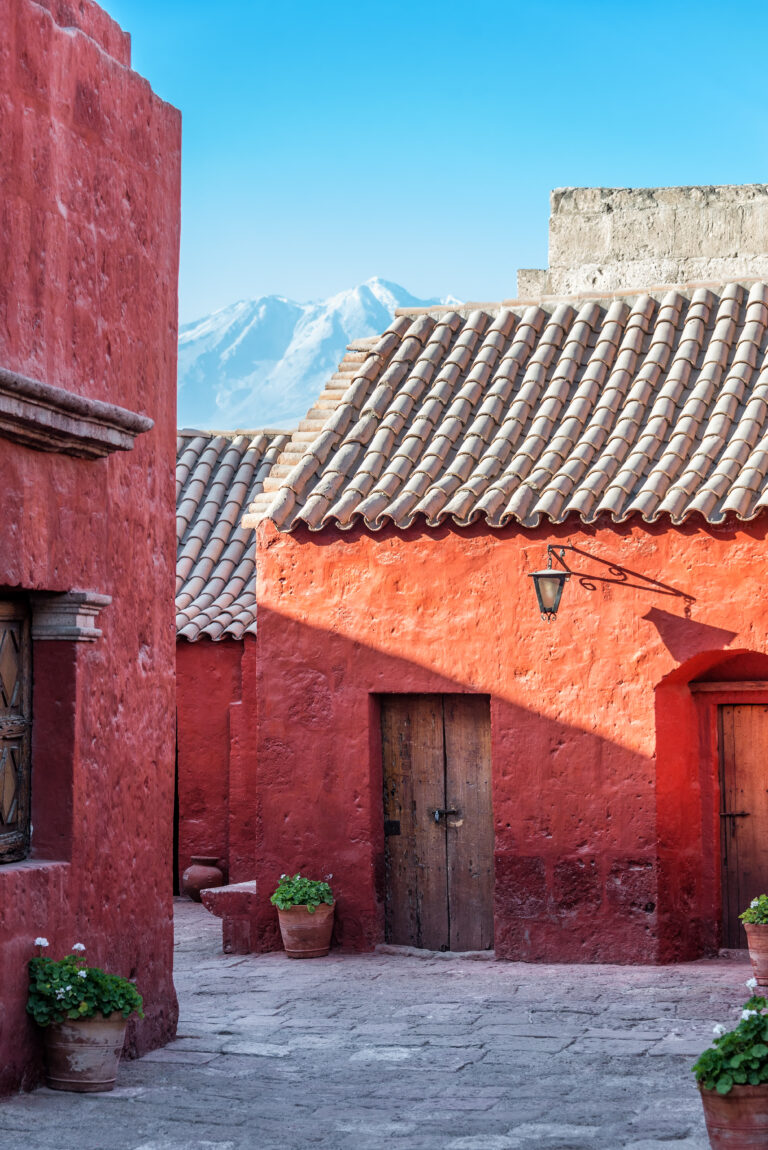
A walled citadel of colorful streets and cloisters, founded in 1579.
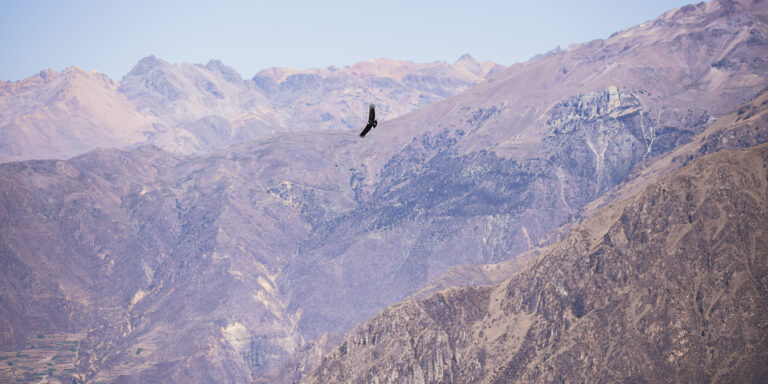
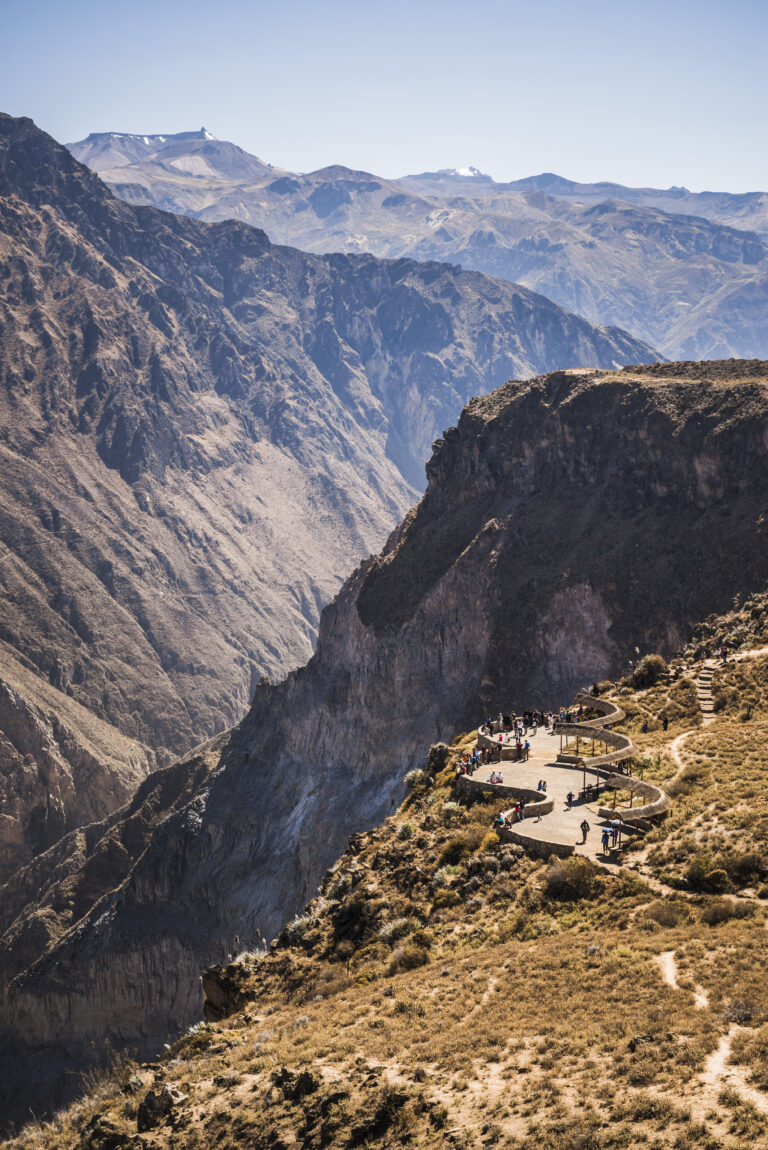
Early morning at the Cruz del Cóndor viewpoint is the best time.
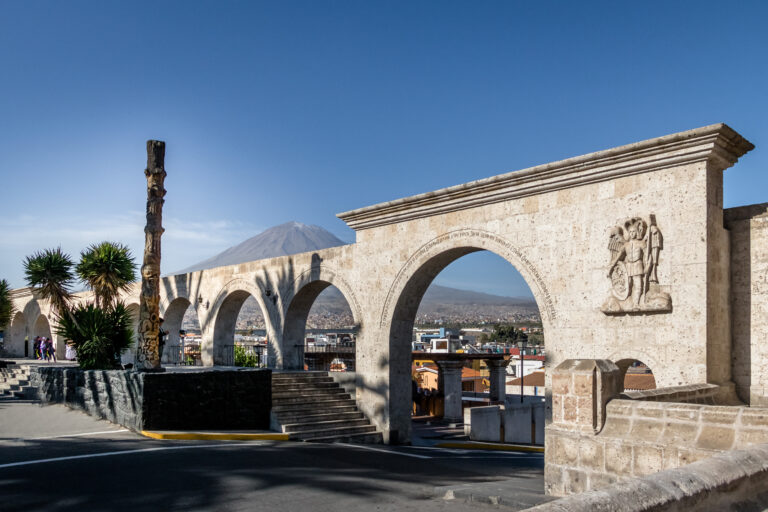
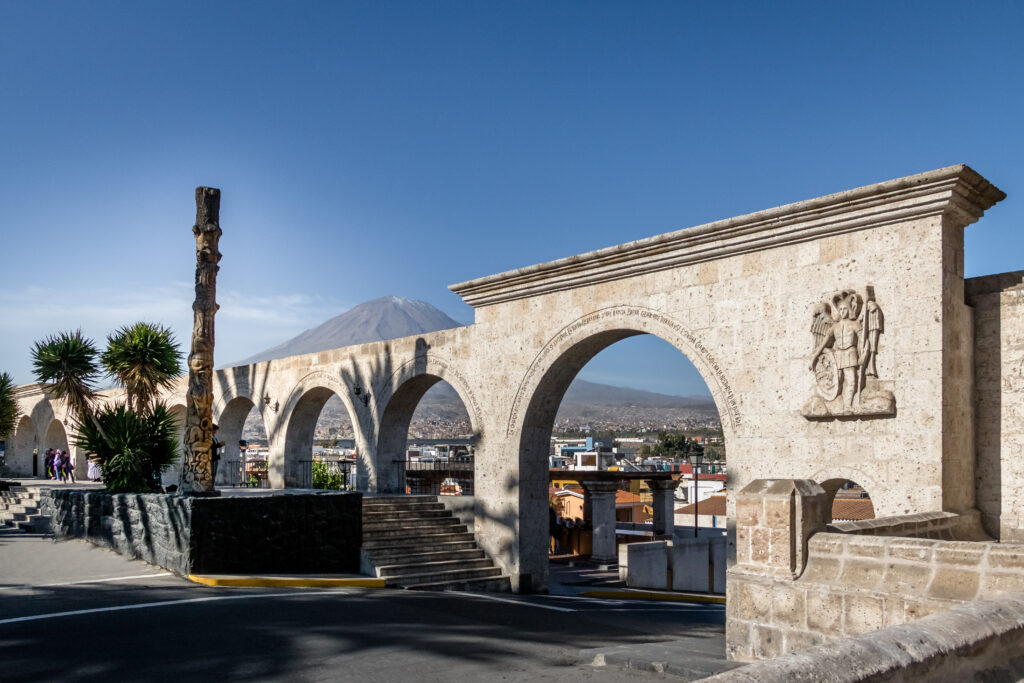
The arches of the Yanahuara viewpoint frame the volcano. Best at sunset.
The Inca mummy found on the summit of Ampato volcano.
Traditional lunch houses serving rocoto relleno and chupe de camarones.
Viewpoints, the Founder’s Mansion and the Sabandía mill.
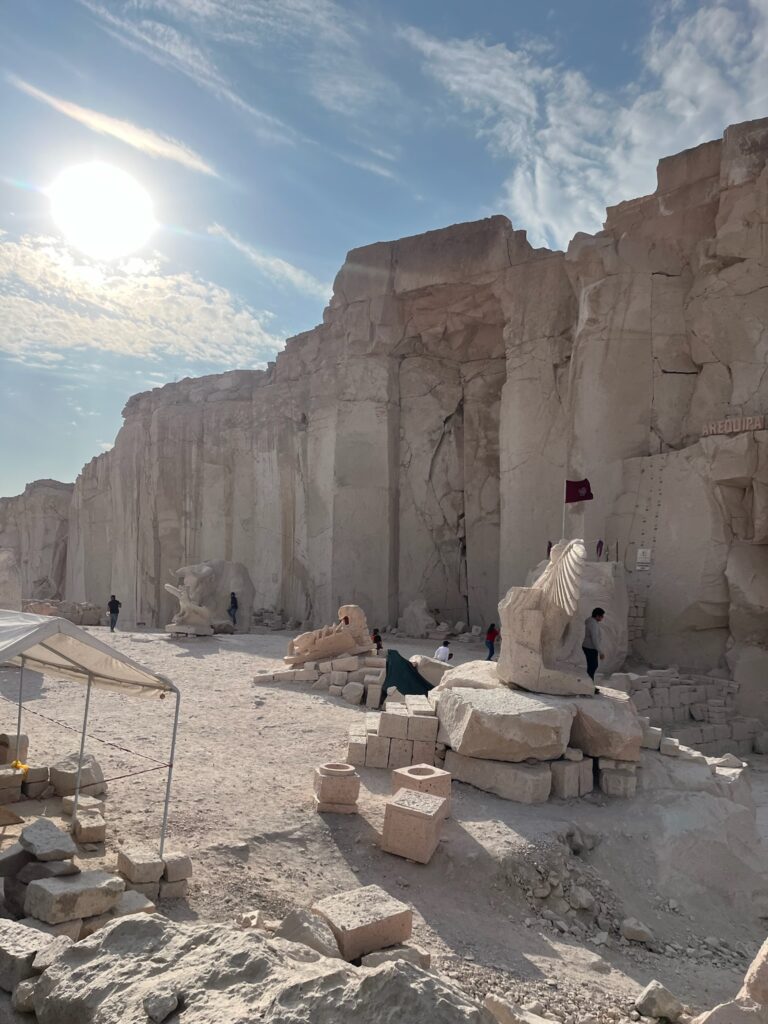
The quarries where Arequipa’s white stone is still carved by hand, and the Culebrillas canyon.
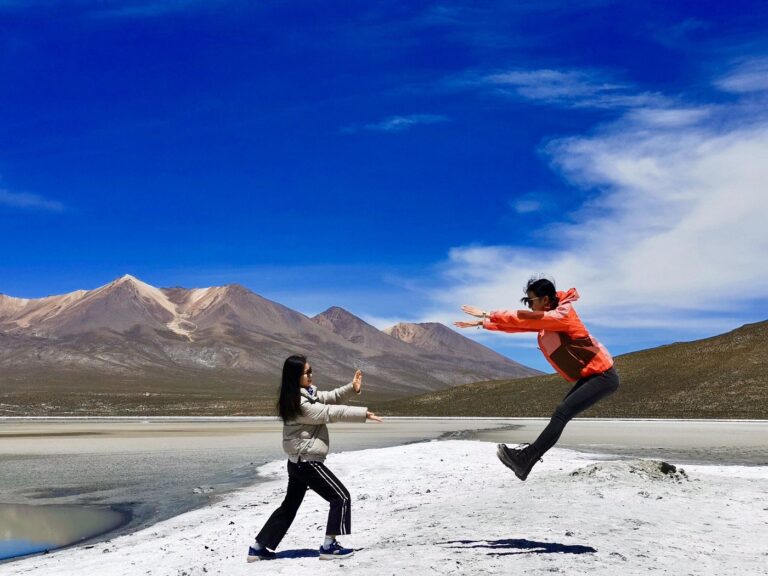
A high-altitude salt lake below the Misti and Pichu Pichu volcanoes.
The city’s oldest quarter: narrow lanes, small squares and quiet cafés.
All three take you to the condors at Cruz del Cóndor. The difference is how early you start, how much you walk and whether you sleep in the canyon. If you can, give Colca two days.
Not sure which one? Ask us on WhatsApp
Most travelers continue from Arequipa to Puno and Lake Titicaca, then on to Cusco and Machu Picchu. These are the Puno tours we add most often. See our Puno and Lake Titicaca guide →
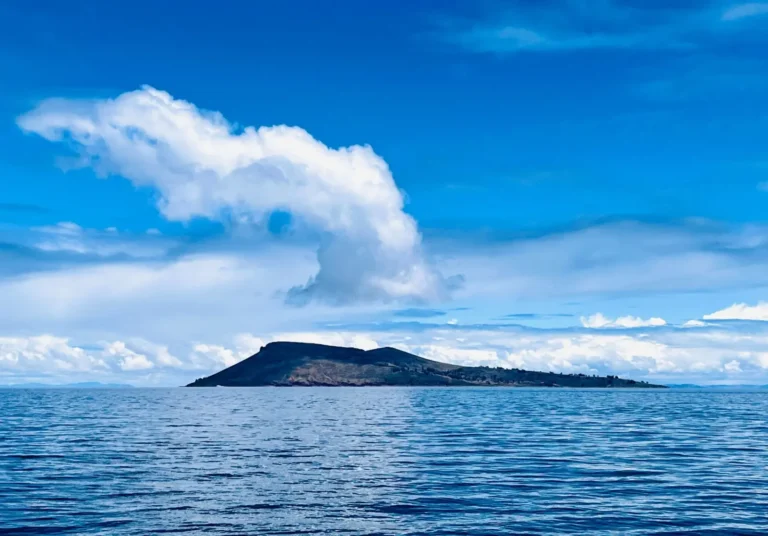
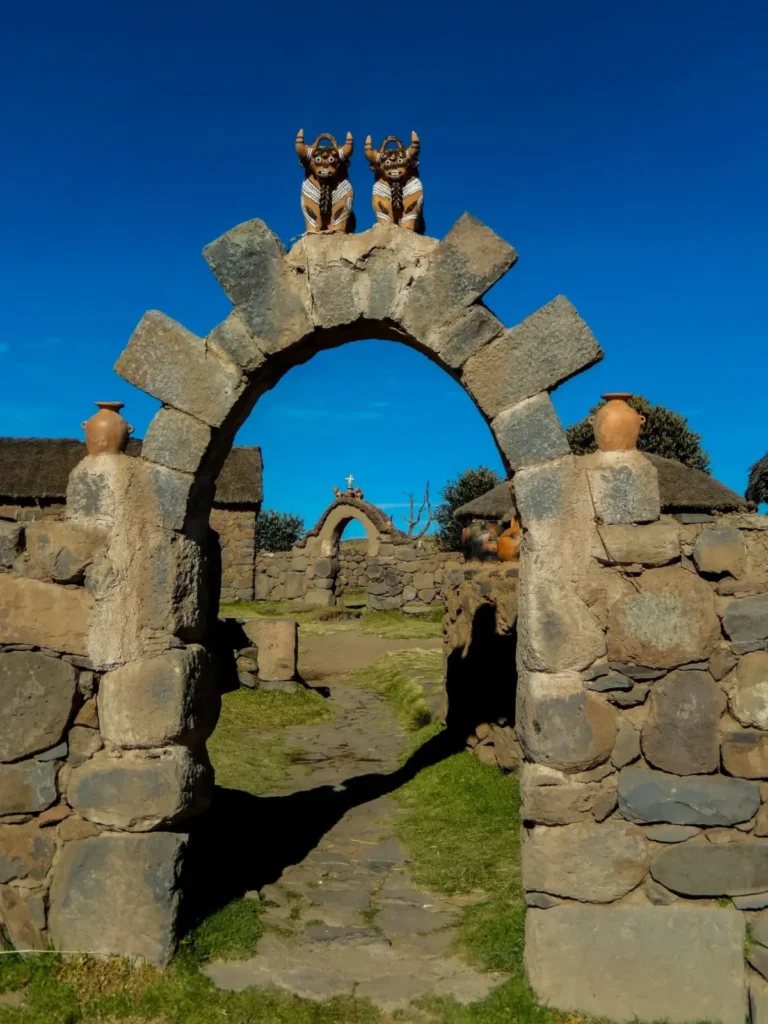
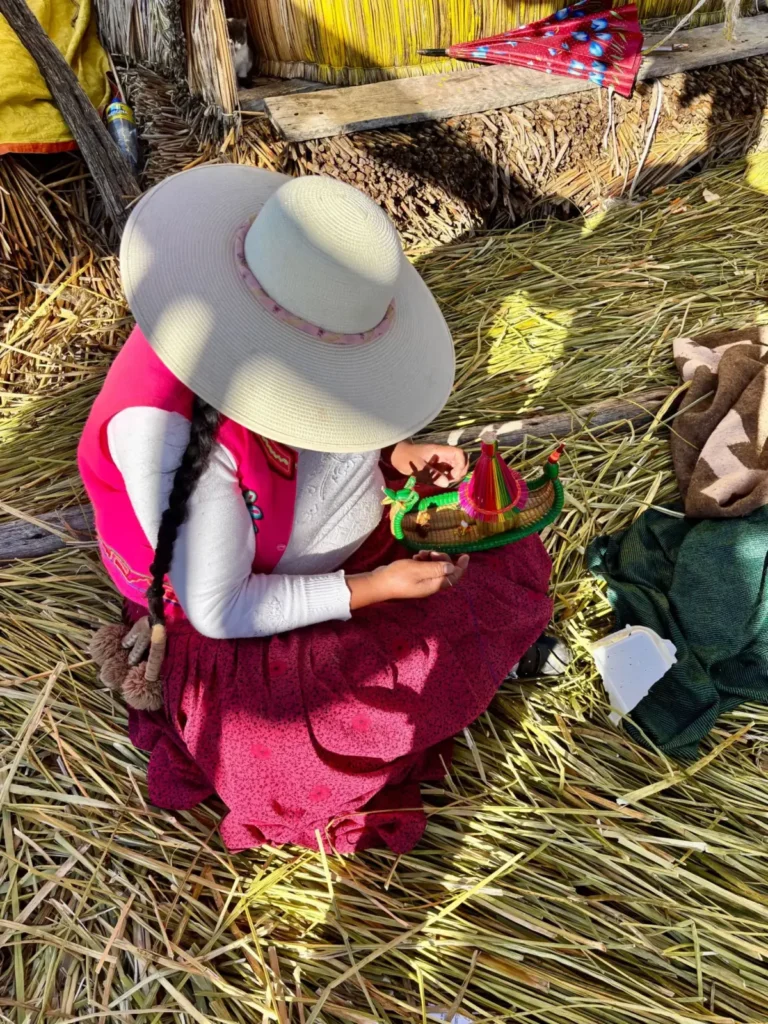
The full southern route: the city, the condors, the altiplano and the Uros and Taquile islands.
From $183 per person · See itinerary →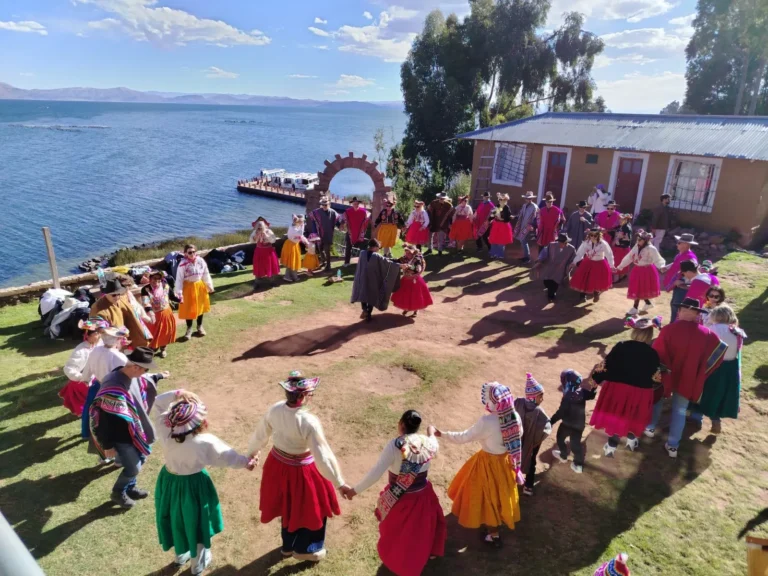
What we tell every traveler before Arequipa and Colca.
Arequipa’s traditional restaurants open for lunch and many close by late afternoon. Two classics in Yanahuara: La Nueva Palomino and Sol de Mayo.
Rocoto relleno, chupe de camarones and pastel de papa. Adobo is a Sunday breakfast dish. For dessert, queso helado.
Arequipa (2,335 m) is a good step before Colca, which crosses 4,910 m, and Puno at 3,830 m. Coming from Lima, spend a day in the city before Colca.
You don’t have to go back to Arequipa. After the Colca tour we can take you on to Puno through Chivay, the same afternoon or after a night in Chivay. It saves a day.
On the Colca tours you pay the tourist ticket (S/ 70), lunch and the hot springs in cash, and there are no reliable ATMs on the way.
The Yanahuara viewpoint, with the Misti behind the arches. It’s 10 minutes from the Plaza de Armas.
On Tuesday and Thursday evenings the monastery usually stays open late, lit by candles and lanterns. The ticket is S/ 45 for foreign visitors, plus a site guide.
Doing the Colca full day the morning after flying in from Lima, and going without cash or warm clothes: at 3 am and at the pass it’s cold.
Around the Plaza de Armas and Santa Catalina. You walk everywhere, and Colca tours pick you up here.
The oldest quarter, a few blocks from the Plaza. Narrow lanes and small boutique hotels.
Across the river, 10 minutes by car. Calmer, with views of the Misti and the best traditional restaurants.
Rocoto relleno, chupe de camarones, adobo on Sunday mornings and queso helado, the city’s cinnamon ice cream. Arequipa is one of Peru’s great food cities: its picanterías are part of the national cultural heritage.
April to November is dry and sunny. January to March brings rain in the afternoons, mostly in Colca; the city stays pleasant. It’s cold at night all year.
Flights from Lima take about 1 h 30 and from Cusco about 1 h. From Puno it’s about 6 hours by bus.
The city is at 2,335 m, easier than Cusco or Puno. The road to Colca crosses Patapampa at 4,910 m, so give yourself a day in the city first.
Three days is ideal: one for the city and two for Colca. With two days, do the city and the Colca full day. Four if you want to trek.
“Perfectly tailored to us. From the first moment, we felt that we were truly listened to.”
“Jaim was lovely and available for every request we had, and helped with everything we asked. Warmly recommended!”
Three days: one for the historic center and two for the Colca Canyon, with a night in Chivay. With two days, do the city and the Colca full day, which starts at 3 am.
Yes, if you only have one day: you see the condors and the villages. But it’s 14 to 15 hours with about 6 hours of driving. The 2-day tour is more relaxed and includes the hot springs.
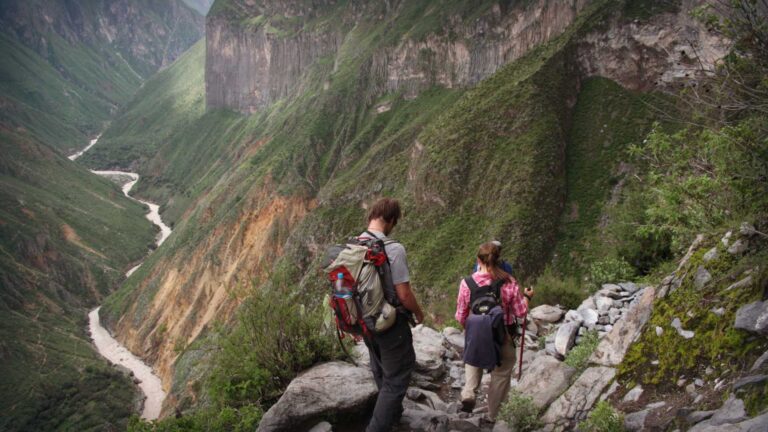
The tour is for everyone: you see the canyon from viewpoints and villages. The trek goes about 1,000 m down to the river and back up, and sleeps in the canyon. Choose it only if you are a fit hiker.
The road crosses Patapampa at 4,910 m, and Chivay is at about 3,600 m. Spend at least a day in Arequipa first, drink water and go easy on the first day.
Yes. Instead of going back to Arequipa, we arrange your transport from Chivay to Puno and Lake Titicaca: right after the Colca full day, or the next morning after a night in Chivay. Once there, see our Puno and Lake Titicaca guide.
The historic center, San Lázaro and Yanahuara are calm areas to walk. At night, use a ride app or a taxi your hotel calls.
Early in the morning, roughly 8 to 10 am, when the air warms up and the condors glide on the thermals at the Cruz del Cóndor. They are easiest to see in the dry season, April to December.
By bus it takes about 6 hours. Or go through the Colca: do the full day, sleep in Chivay and take a shared tourist van to Puno the next morning. You see the canyon and don’t backtrack. See our 3-day plan to Puno.
More than 3,000 m at its deepest point, about twice as deep as the Grand Canyon. It’s one of the deepest canyons in the world.
S/ 45 for foreign visitors, plus a site guide required by the monastery. Plan 1 to 2 hours. On Tuesday and Thursday evenings it usually opens late, lit by candles.
A day-by-day plan with hotels and the full price, from a local, not a bot.