Puno in 1 day
The Uros and Sillustani in one day, when you’re just passing through.
- Morning
- Uros floating islands by motorboat.
- Afternoon
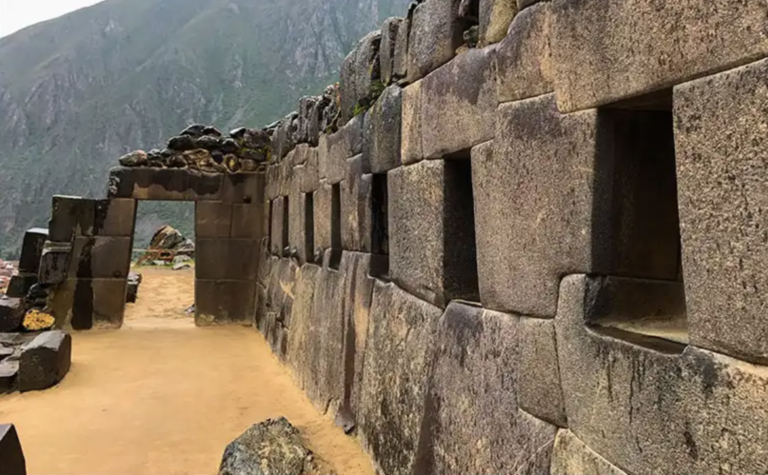
- Sillustani burial towers above Lake Umayo.

The highest navigable lake in the world, with floating reed islands, island families who still weave by hand and burial towers above the altiplano. Most travelers give it 2 or 3 days between Arequipa and Cusco.
Puno sits on the shore of Lake Titicaca, at about 3,830 m, and is the base for visiting the lake: the Uros, who live on islands made of totora reed, and the islands of Taquile and Amantaní, where Quechua communities keep their weaving and their way of life. Around the city there’s more: the Sillustani burial towers and the Aymara villages of the south shore. Puno is also Peru’s folklore capital, and every February it celebrates the Virgen de la Candelaria, one of the biggest festivals in South America.
One for Sillustani and the altitude, one or two on the lake. Three if you sleep on Amantaní.
Higher than Cusco. Take your first afternoon easy.
Dry and sunny, with freezing nights in June and July. February brings rain and the Candelaria.
Or about 10 hours from Cusco on the Ruta del Sol, with stops.
Updated September 2026
Add any of these to your Peru trip. We plan them around your bus or your flight to Juliaca.
The Uros and Sillustani in one day, when you’re just passing through.
The classic: Sillustani to get used to the altitude, then a full day on the lake.
Sleep with a local family on the lake: the most authentic way to see Titicaca. Also without the island night.
Group tour prices per person, the same if you travel solo. Island entrance fees (about S/ 15) and some lunches are paid in cash on the day. Airport transfers and hotels in Puno are quoted with your trip.
Give the lake at least one full day and the city one afternoon. The rest depends on how much time you have.
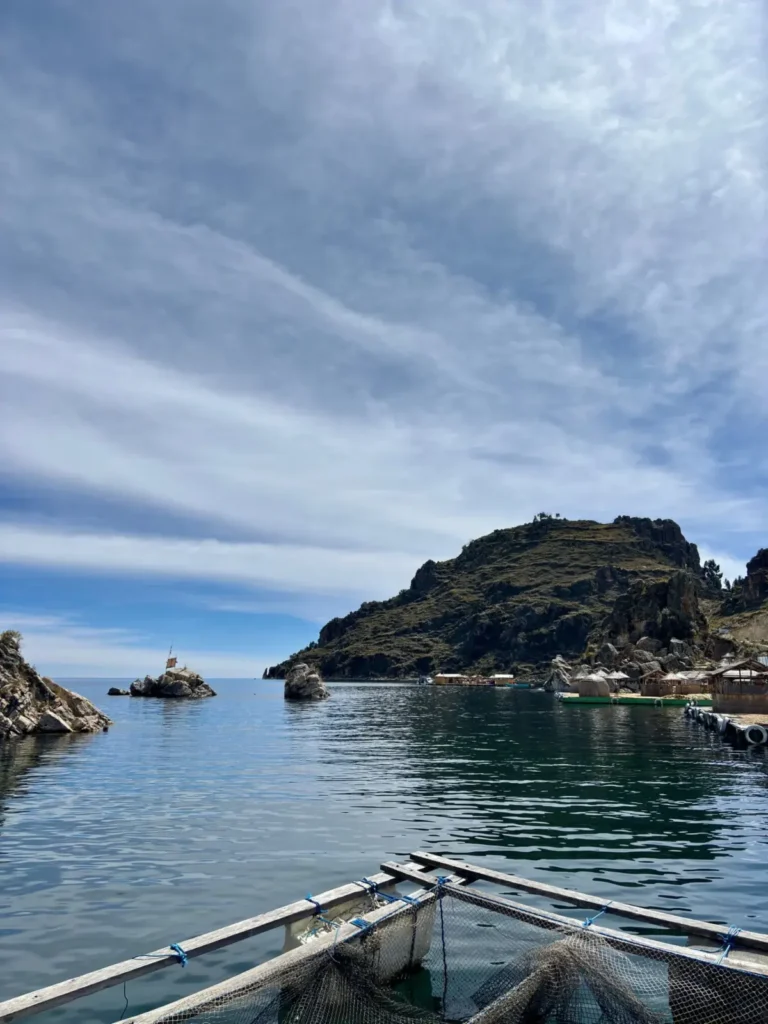
Islands, homes and boats built from totora reed, a short boat ride from Puno.
Lunch at their home, sunset at the Pachatata temple and a night on the lake.
Its textile art is on UNESCO’s list of intangible cultural heritage.
Pre-Inca and Inca burial towers on a peninsula of Lake Umayo.
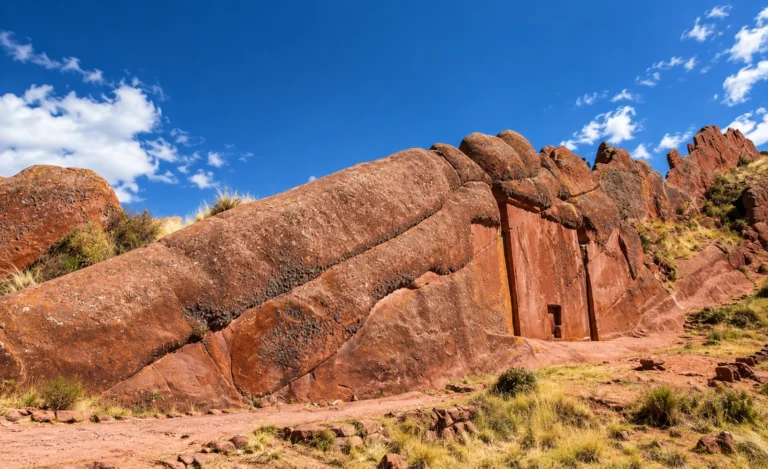
Chucuito, the Inca Uyo temple and the Aramu Muru portal on the south shore.
The condor viewpoint above the city, with views over the bay. Go slowly: there are many steps at this altitude.
The puma viewpoint over Puno Bay, a short taxi ride from the center.
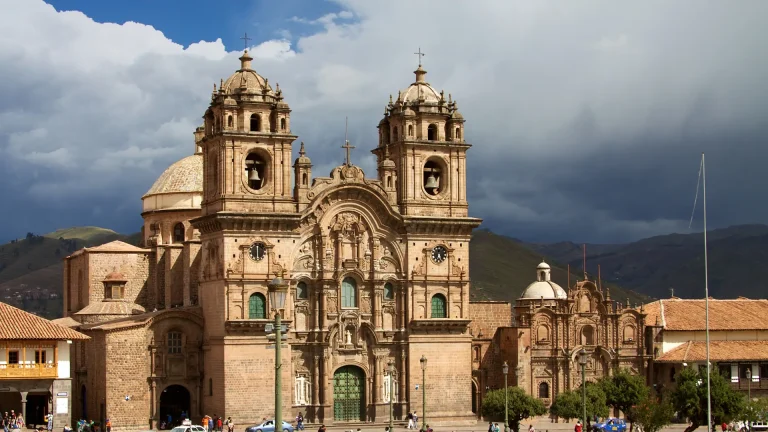
Puno’s pedestrian street ends at the Plaza de Armas and its stone cathedral.
Fried, grilled or as ceviche, it’s the local dish. Try it at Mojsa, on the Plaza de Armas.
In February, thousands of dancers fill the city for the Virgen de la Candelaria, recognized by UNESCO.
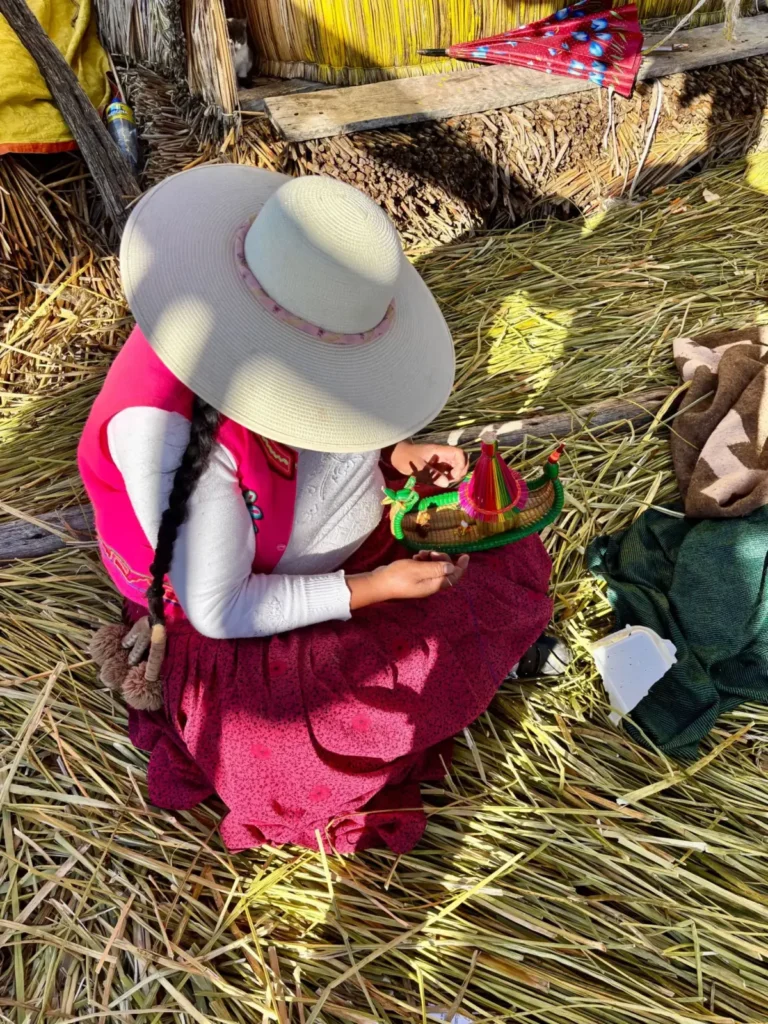
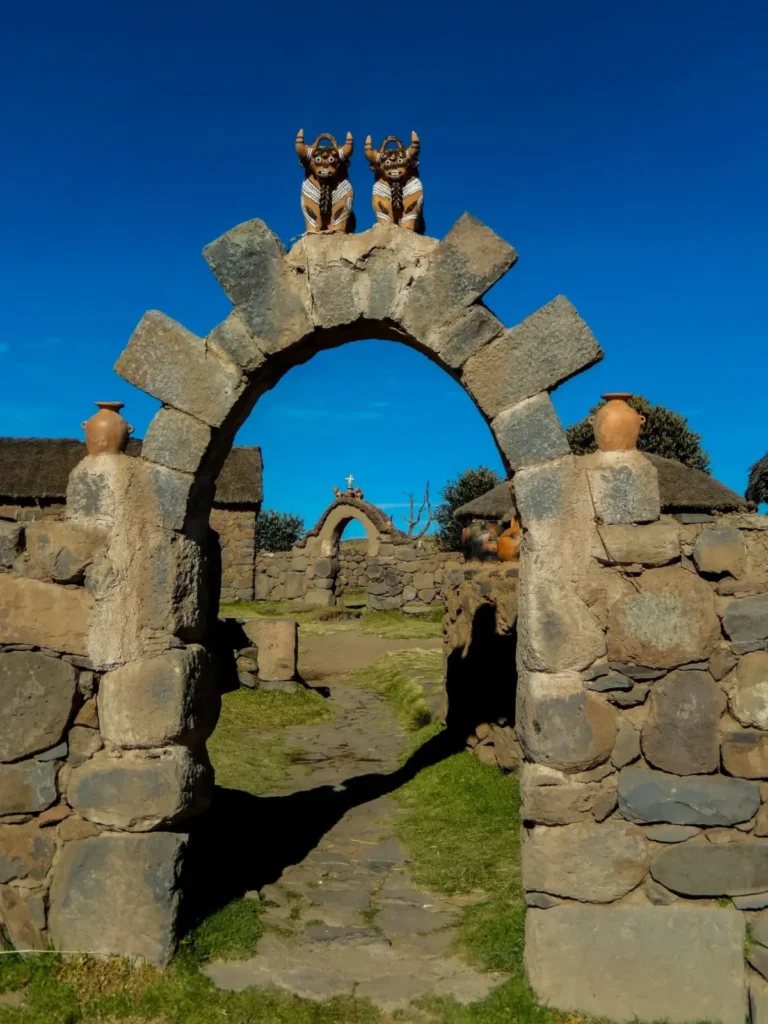
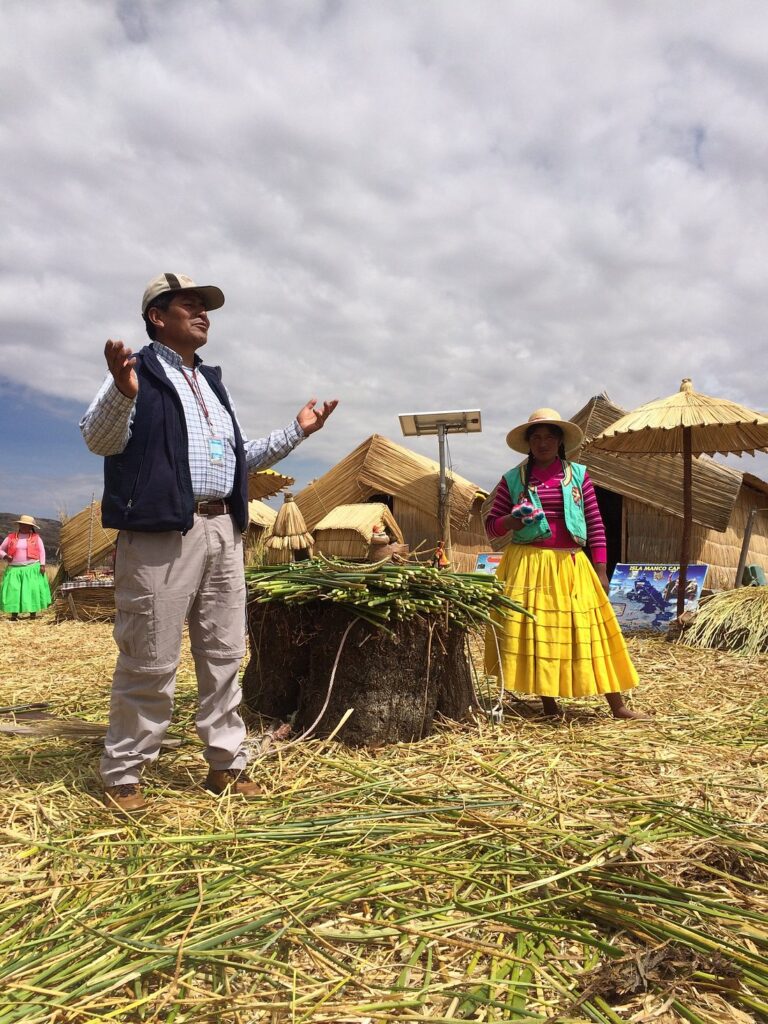
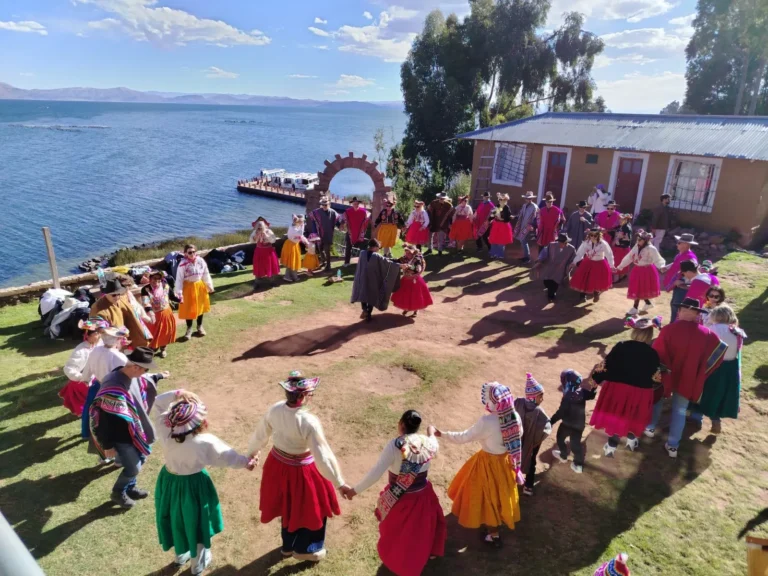
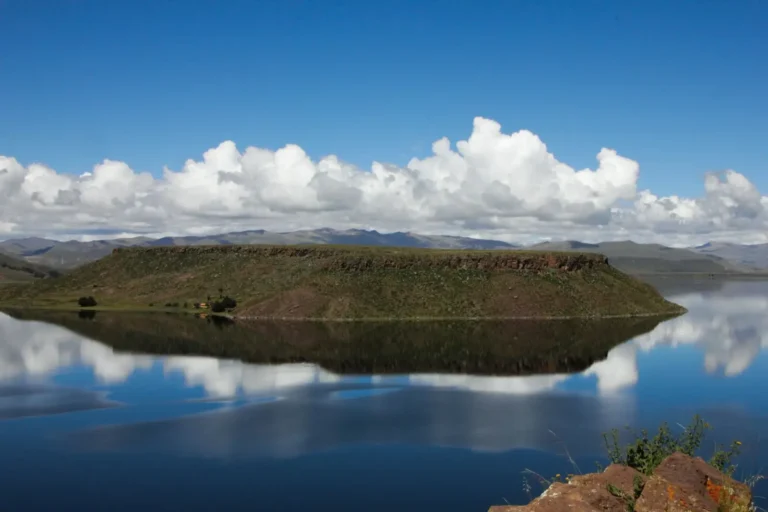
Every island tour starts at the Uros. The difference is where you go next and whether you sleep on the lake. If you have the time, sleep on Amantaní.
Not sure which one? Ask us on WhatsAppMost travelers continue from Puno to Cusco and Machu Picchu. The Ruta del Sol turns the trip into a guided day, with stops at Pukará, La Raya, Raqchi and Andahuaylillas. These are the Cusco plans and tours we add most often. See our Cusco travel guide →
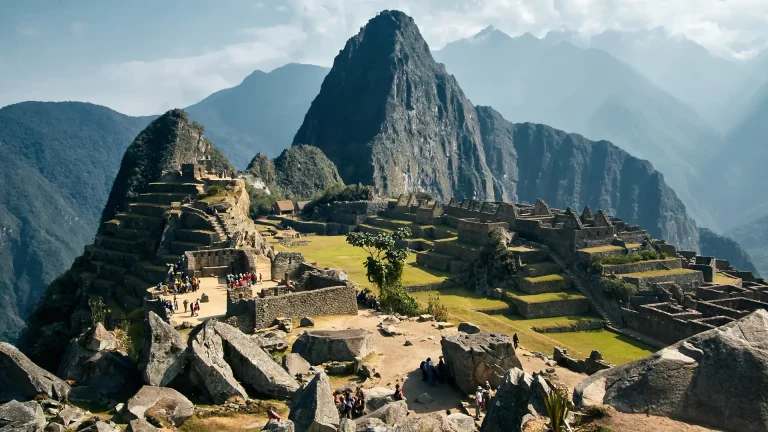
The city, the Sacred Valley and Machu Picchu in 4 days.
From $469 per person · See itinerary →What we tell every traveler before Lake Titicaca.
Puno is at about 3,830 m, higher than Cusco. Rest, drink water and coca tea, and eat light the first night. That’s why our plans start with Sillustani, not a day on the lake.
Mojsa, on the Plaza de Armas, for Andean food with a view from the balcony. Tulipán’s, in a colonial house on Jirón Lima, for trout and stone-oven pizza.
Balcones de Puno usually serves dinner with live music and traditional dances. A good way to see Puno’s folklore if you’re not here for the Candelaria.
La Casa del Corregidor, a colonial house next to the cathedral, has a quiet courtyard for coffee.
You pay island entrances, handicrafts and tips in cash, and there are no ATMs on the islands. Withdraw in Puno.
Mornings on the lake are cold and the midday sun is strong. Bring a warm jacket, sunscreen, a hat and sunglasses, even in summer.
Kuntur Wasi has the best view of the bay but many steps: leave it for your last day. Puma Uta is easier, a short taxi ride from the center.
A full day on the lake the morning after flying in from Lima, and a flight out of Juliaca too soon after a tour: the drive to the airport takes about an hour.
Around the Plaza de Armas and Jirón Lima. You walk to restaurants, and island tours pick you up here.
Hotels on the bay, a short taxi ride from the center. You wake up to the lake, but you depend on taxis at night.
Not a hotel: a room in a family home, as part of the 2-day island tour. The most local night of your trip.
Trout from the lake, fried, grilled or as ceviche; quinoa soup; chairo, a hearty altiplano soup; and pesque, creamy quinoa with cheese. At this altitude, eat lighter at night.
April to November is dry and sunny, with freezing nights in June and July. December to March brings afternoon rain. In early February the city fills up for the Candelaria: book hotels well ahead.
Fly to Juliaca, about an hour from Puno by car. From Cusco, the Ruta del Sol takes about 10 hours with stops, or 6 to 7 hours by direct bus. From Arequipa, about 6 hours by bus, or through the Colca Canyon.
Puno is at about 3,830 m, higher than Cusco. If you can, arrive from Arequipa or Cusco rather than flying in from Lima, and plan a light first day.
Two days is enough for Sillustani and the Uros and Taquile. Three if you want a night on Amantaní. One day if you’re just passing through.
“Perfectly tailored to us. From the first moment, we felt that we were truly listened to.”
“Jaim was lovely and available for every request we had, and helped with everything we asked. Warmly recommended!”
Two or three. Two days for Sillustani and the Uros and Taquile islands; three if you want a night with a family on Amantaní. One day is enough for the Uros and Sillustani if you’re passing through.
Yes, if you know what to expect: the islands are real and families live on them, but the visit is very touristy and tourism is part of their income. Half a day is enough; combine it with Taquile or Amantaní for a full day on the lake.
Taquile is famous for its textile art and has more visitors. Amantaní is bigger and quieter, and it’s where most homestays are. On a day trip, both work. To sleep on the lake, choose Amantaní.
You sleep in a family home, share lunch and dinner with them and usually join an evening of music and dances. Rooms are simple and clean, with beds and hand-woven blankets, and nights are cold. See our 3-day plan with a night on Amantaní.
Puno is at about 3,830 m, higher than Cusco. Most travelers feel short of breath the first day. Arrive from Arequipa or Cusco if you can, rest the first afternoon and drink plenty of water.
The Ruta del Sol tourist bus leaves Puno around 7:00 and arrives in Cusco in the late afternoon, with a guide, lunch and stops at Pukará, La Raya, Raqchi and Andahuaylillas. We add it for $62 per person. A direct bus takes 6 to 7 hours, and there are flights from Juliaca.
About 6 hours by bus. Or go through the Colca Canyon: do the full day, sleep in Chivay and take a shared tourist van to Puno the next morning. See our 3-day plan from Arequipa to Puno.
Juliaca (JUL), about 45 km away, roughly an hour by car. There are direct flights from Lima and Cusco. We arrange a private transfer for $56 per car.
In the first half of February. The main day is February 2, and the big dance parades and contests fill the following days. Hotels sell out and prices go up, so book early.
Each island community charges a small fee in cash, about S/ 15 per tour on most of ours. The Uros and Amantaní full day and the Sillustani tour already include their entrances.
A day-by-day plan with hotels and the full price, from a local, not a bot.