Acclimatization in Peru comes down to two decisions: the order in which you visit the high places, and what you do in your first 48 hours up there. I plan these routes for our travelers, and when altitude ruins a trip, the problem is almost never the altitude itself. It’s the order. Below you’ll find the altitude of every stop, the route we recommend, and the mistakes we see most.
Quick answer
- Go up step by step: Lima (sea level), then Arequipa (2,335 m), then Puno (about 3,830 m), then Cusco (3,399 m).
- Puno is higher than Cusco. Do Puno first and Cusco feels easier, which matters because Cusco is where most of the treks are.
- Flying straight to Cusco? Rest the first afternoon and sleep a night in the Sacred Valley (about 2,800 m) before Machu Picchu.
- Save the highest hikes for last: Humantay Lake (about 4,200 m) and Rainbow Mountain (over 5,000 m) go at the end of your Cusco days.
- First 48 hours: sleep, drink water, eat light and skip alcohol.
| Place | Altitude | Do you sleep there? |
|---|---|---|
| Lima | Sea level | Yes |
| Arequipa | 2,335 m (7,660 ft) | Yes |
| Chivay, Colca Canyon | about 3,635 m (11,925 ft) | Yes, on the Colca route |
| Patapampa pass, Colca road | about 4,910 m (16,110 ft) | No, you drive through |
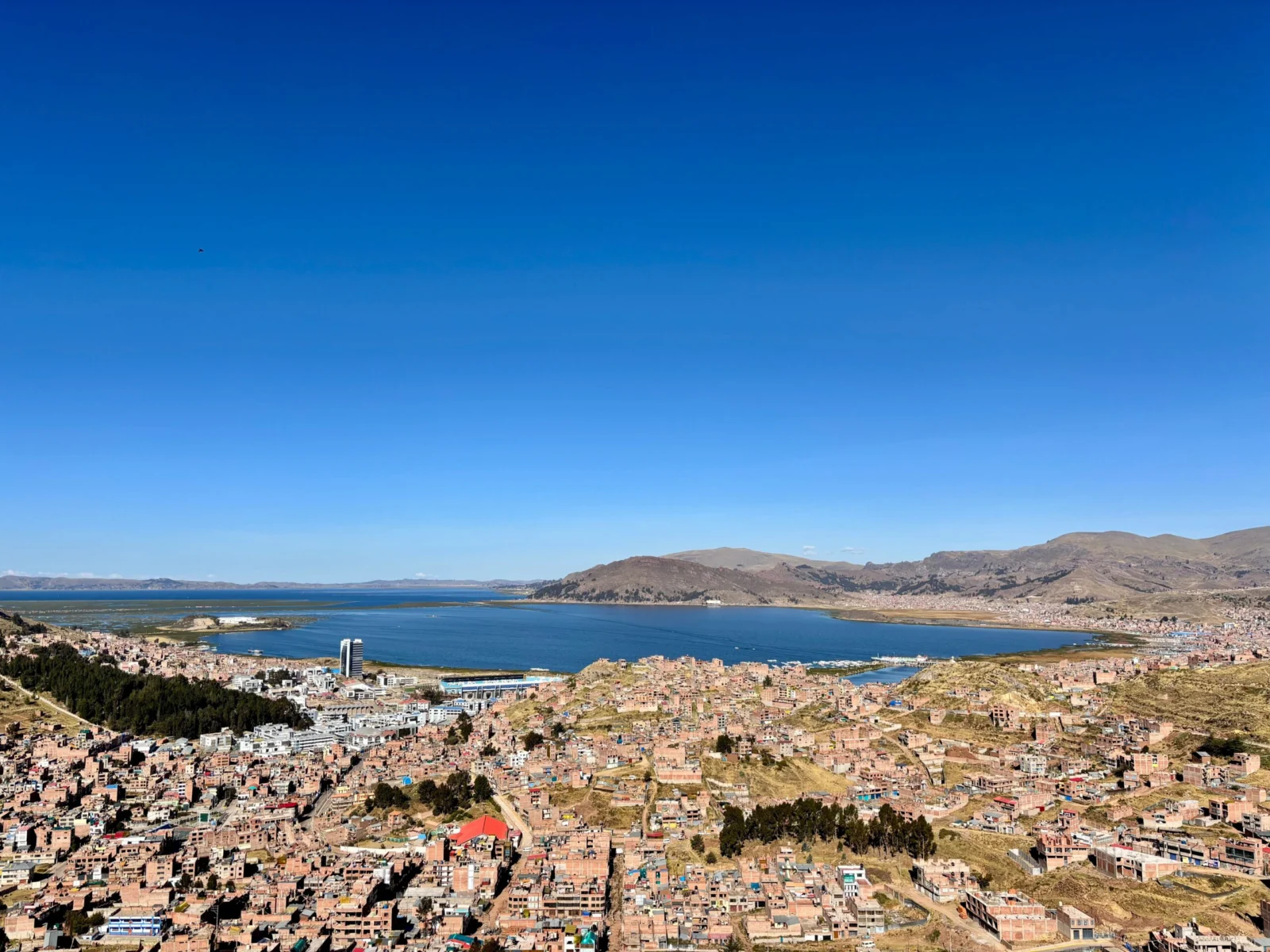
| Puno and Lake Titicaca | about 3,830 m (12,565 ft) | Yes |
| Cusco | 3,399 m (11,150 ft) | Yes |
| Sacred Valley (Ollantaytambo) | about 2,800 m (9,190 ft) | Yes |
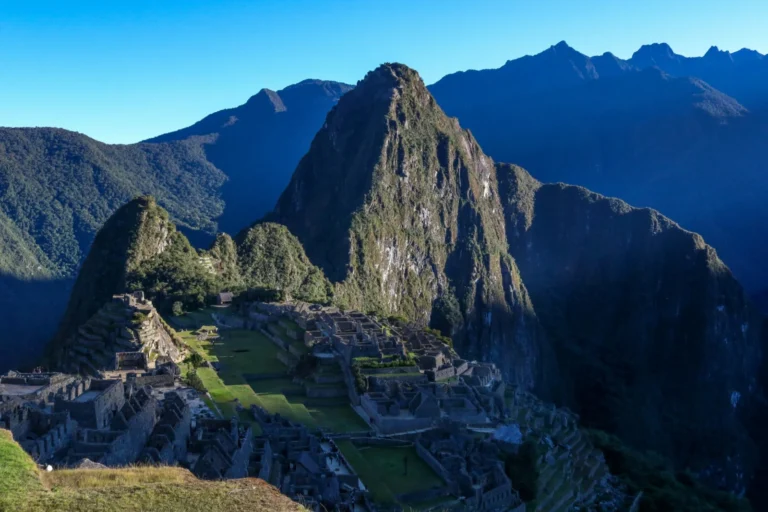
| Machu Picchu | about 2,430 m (7,970 ft) | No, day visit |
| Humantay Lake | about 4,200 m (13,780 ft) | No, day hike |
| Rainbow Mountain | over 5,000 m (16,400 ft) | No, day hike |
What's the Best Route for Acclimatization in Peru?
The best route for acclimatization in Peru goes from low to high and finishes a little lower: Lima, then Arequipa, then Puno and Lake Titicaca, and Cusco last. Each stop prepares your body for the next one, and when you reach Cusco at 3,399 m, you’re already sleeping lower than you did in Puno.
With Lake Titicaca: Arequipa, Colca, Puno, Cusco
This is the order I recommend to every traveler who combines the three. Arequipa, at 2,335 m, is the gentle first step: many travelers feel little or nothing there. Give it at least one full day before going higher, two if you’re sensitive to altitude.
The Colca Canyon is the one big jump of this route. The road crosses the Patapampa pass at about 4,910 m and you sleep in Chivay, at about 3,635 m: that’s more than the 500 m per night the CDC suggests once you’re above 3,000 m. It works for most travelers because Arequipa came first, but keep that day calm and the dinner light. From Chivay, a tourist van crosses the altiplano to Puno, the highest place you’ll sleep on this route. Our 2- and 3-day Puno plans start with an easy half day at Sillustani, so your first day up there stays calm.
After two or three nights in Puno, Cusco feels easier. That’s the point of the order: Cusco is where most of the hikes are, from the Sacred Valley trails to Humantay Lake, and you arrive ready for them. Our Arequipa, Colca and Lake Titicaca plan follows this route and ends in Puno, from where you continue to Cusco. With two weeks, our 14-day Peru itinerary follows this exact route, from Lima to Machu Picchu.
Cusco Only: Fly In and Sleep Low First
Most travelers with a week or less fly from Lima to Cusco. The US Centers for Disease Control and Prevention (CDC) names Cusco as a place where you can sleep lower than the airport for your first one or two nights, and that helps.
That’s why our Cusco plans keep the first afternoon free and add a night in the Sacred Valley, about 600 m lower than Cusco, before the train to Machu Picchu. If you’re worried about the altitude, tell us and we can send you straight down to the Valley from the airport.
Why We Don't Fly From Lima Straight to Puno
Juliaca airport, the one that serves Puno, sits at about 3,825 m. Flying there from sea level and sleeping in Puno the same night is exactly the jump the CDC advises against: it recommends not going from low altitude to a sleeping altitude above 2,750 m in a single day. If Lake Titicaca is in your plan, reach it from Arequipa, or go from Cusco once you’re acclimatized.
Should I Go to Puno or Cusco First?
Go to Puno first if you’re coming from Arequipa, and to Cusco first if you’re flying in from Lima. Puno, at about 3,830 m, is roughly 430 m higher than Cusco, so after Puno, Cusco’s hikes feel easier. Without Arequipa as a first step, though, Puno is too big a jump from sea level, so start in Cusco and visit the lake afterwards.
How Many Days Do I Need to Acclimatize Before Machu Picchu?
One rest day in Cusco plus a night in the Sacred Valley is enough for most travelers, because Machu Picchu, at about 2,430 m, is lower than Cusco. The days that need more time are the high hikes: give yourself at least two or three days in the area before Humantay Lake or Rainbow Mountain.
According to the CDC, altitude symptoms usually appear 2 to 12 hours after arriving and tend to go away within 12 to 48 hours if you don’t go higher. That’s why we never put a big hike on day one or two. For the full breakdown by trip length, see how many days in Cusco you need.
Peru Essentials
The classic first trip: a taste of Lima, then Cusco, the Sacred Valley and Machu Picchu at an easy pace.
Reply the same day · No commitment
How Do I Acclimatize on My First Day in Cusco or Puno?
On your first day in Cusco or Puno, the goal is to do as little as possible. This is what I tell every traveler before they land:
- Sleep and rest when you arrive, even if you feel fine. Many flights to Cusco leave Lima early in the morning, so a nap is not wasted time.
- Drink water through the day. It’s cold and you won’t feel thirsty, but the air is dry.
- Eat light. A soup is perfect. Leave the big plate of lomo saltado for day two.
- Try coca tea or coca candies. Most hotels in Cusco and Puno offer coca tea, and many of our travelers say it helps. It’s a local habit, not a medical treatment.
- No treks and no rushing. Walk slowly, take the stairs one at a time, and don’t go running.
- Skip alcohol for the first 48 hours, as the CDC recommends. The pisco sour can wait.
- If you’re worried, ask for an oxygen-enriched room. Some higher-end hotels in Cusco offer them, and we can include one in your quote.
Is It Better to Fly or Take the Bus for Altitude?
For altitude, the bus is more gradual but much slower, and flying works just as well if the order is right. A bus from the coast climbs over many hours, but it costs you long travel days. Flying to Arequipa or Cusco, sleeping low the first night and leaving the high hikes for the end gives most travelers the same result and saves days. We book your domestic flights inside Peru as part of the trip, so the order and the flights are planned together.
Altitude Mistakes We See All the Time
The most common altitude mistake in Peru is doing too much on landing day. These are the ones we see all the time:
- A city tour on landing day. You arrive at 7 am, feel fine and go out. The headache arrives in the afternoon.
- Rainbow Mountain on day two. It’s the highest point of most trips, over 5,000 m. It goes last.
- Lima to Juliaca and a first night in Puno. The biggest jump you can make by plane in Peru.
- A heavy dinner and drinks the first night.
- Not drinking water because it’s cold.
- Ignoring coca tea because it sounds like a tourist thing. Locals drink it for a reason.
When Is Altitude Sickness Serious?
Mild altitude sickness feels like a hangover: headache, plus tiredness, nausea, dizziness or no appetite. It usually gets better within 12 to 48 hours if you rest and don’t go higher. It’s serious if symptoms get worse despite rest, or if you notice confusion, trouble walking straight, breathlessness while resting or a persistent cough. In that case, see a doctor and go down: the CDC is clear that going down, along with oxygen, works far better than medication.
If you’re thinking about altitude medication such as acetazolamide, talk to your doctor before the trip. We plan routes, we’re not doctors. And travel with insurance that covers medical care.
Plan Your Peru Route With Us
We work out the order for you: which city first, where to sleep low, which day the hikes go, and the domestic flights in between. If it’s your first trip, our 8-day Peru itinerary starts at sea level in Lima, then Cusco with a rest day and a night in the Valley. If you have two weeks, our 14-day Peru itinerary does the full southern route in this order. If you only want to add Lake Titicaca, we add Arequipa and Puno before Cusco. The quote is free, with no commitment, and we reply the same day (Peru time).
FAQ
Is Puno higher than Cusco?
Yes. Puno sits at about 3,830 m, around 430 m higher than Cusco (3,399 m). On the classic southern route, it’s the highest place you sleep.
Is Arequipa high altitude?
Arequipa is at 2,335 m. Many travelers feel little or nothing there, which makes it a good first step before the Colca Canyon, Puno and Cusco.
Does coca tea help with altitude sickness?
Many travelers say coca tea makes them feel better, but it doesn’t replace going up slowly. Don’t take coca leaves or candies home: they’re illegal to bring into many countries, including the United States, and coca can show up on a drug test.
Should I take altitude pills for Peru?
Acetazolamide can help prevent altitude sickness in people at higher risk, according to the CDC, but it’s a prescription medicine. Ask your doctor before you travel.
Is Machu Picchu at high altitude?
Machu Picchu is at about 2,430 m, almost 1,000 m lower than Cusco. If you’re fine in Cusco, you’ll be fine there.
Is altitude a problem for kids or older travelers?
Anyone can feel the altitude, at any age. The same rules apply: go up gradually, rest the first day and keep the first days easy. If you have a heart or lung condition, check with your doctor before the trip. For families, see our family-friendly hikes near Cusco.