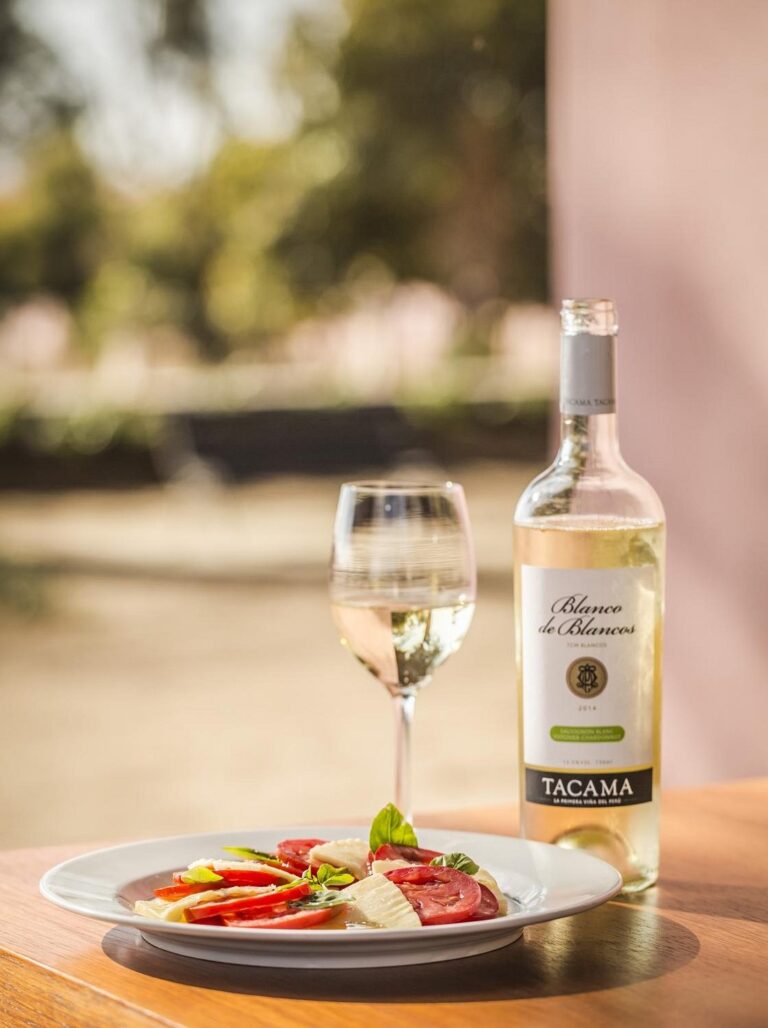
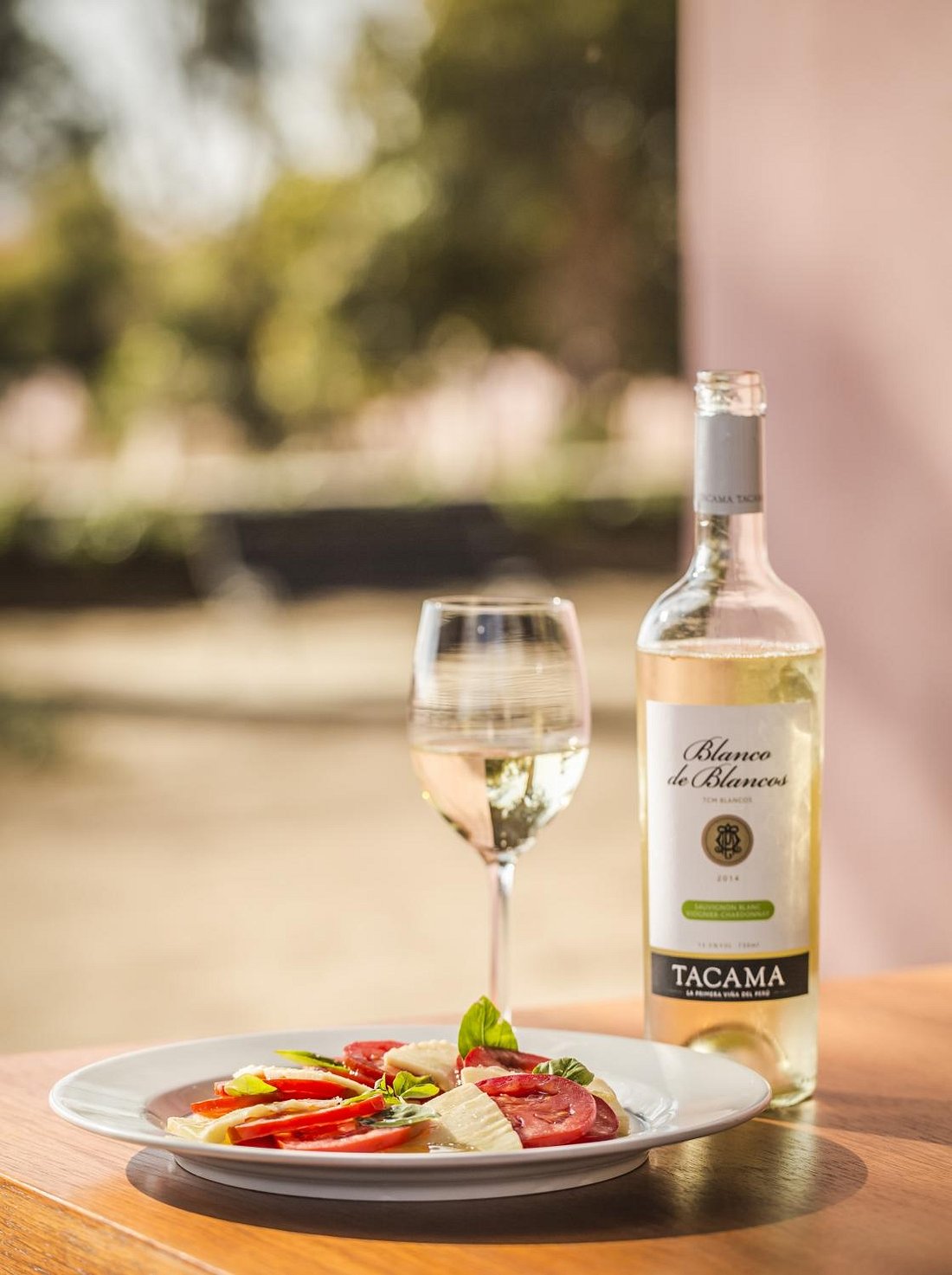
There are more than a hundred wineries in the Ica valley, and most guides send you to the same three. Those three are good choices. The problem is that they are very different from each other, and nobody tells you which one fits what you’re after.
This guide to Ica wineries fixes that: what you’ll find at each bodega, how long the pisco route really takes, how to get between vineyards when there’s no public transport, and the small logistics that can ruin the day. I live in Lima and plan trips to Ica every week, so this is the version we give our own travelers.
Quick answer
- How many wineries in one outing? Three is the sensible maximum: 4 to 6 hours on your own, about 3 hours on an organized tour.
- If you only visit one: Tacama, for the colonial setting and the view over the vineyards. If you care more about how pisco is made, Taqará 1856 (formerly El Catador).
- Getting around: there’s no public transport between bodegas. Use a taxi with the full route and waiting time agreed upfront, your own car with a driver who isn’t tasting, or a tour.
- Most common mistake: not checking opening days. Tacama is closed on Mondays, and guided visits leave at set times.
- From Lima: about 300 km and 4 to 5 hours by road. Stay the night in Ica or Huacachina instead of doing it as a day trip.
Why Ica Is Peru's Wine and Pisco Country
The Ica valley sits in the coastal desert about 300 km south of Lima. That sounds like a strange place to grow grapes, and it’s exactly why it works: sun almost all year, practically no rain and sandy soil that drains fast. Vines like controlled water stress, and the valley delivers it with a consistency few places in South America can match.
The Spanish planted vines here in the 16th century, and the valley has produced wine and pisco ever since. Pisco has a protected designation of origin: it can only be made on the coast of Lima, Ica, Arequipa, Moquegua and Tacna, according to El Peruano, Peru’s official gazette. Ica is the largest producer of the five.
So a visit to the Ica wineries isn’t just a tasting. It’s where you understand why pisco tastes the way it does.
Which Ica Winery Should You Visit?
This is the decision that matters, and the one almost no guide helps with. The classic Ica wineries don’t compete with each other: they offer different experiences. Pick the one that matches what you want and the morning feels worth it. Pick the wrong one and it feels like a repeat of a tasting you’ve already done.
| Winery | Best for | Watch out for |
|---|---|---|
| Tacama | History, architecture and vineyard views | Closed Mondays; farthest from town |
| Taqará 1856 | Seeing how pisco is really made; widest tasting | Small and informal |
| Vista Alegre | Short on time or first visit | Less character than the other two |
Tacama: history and views
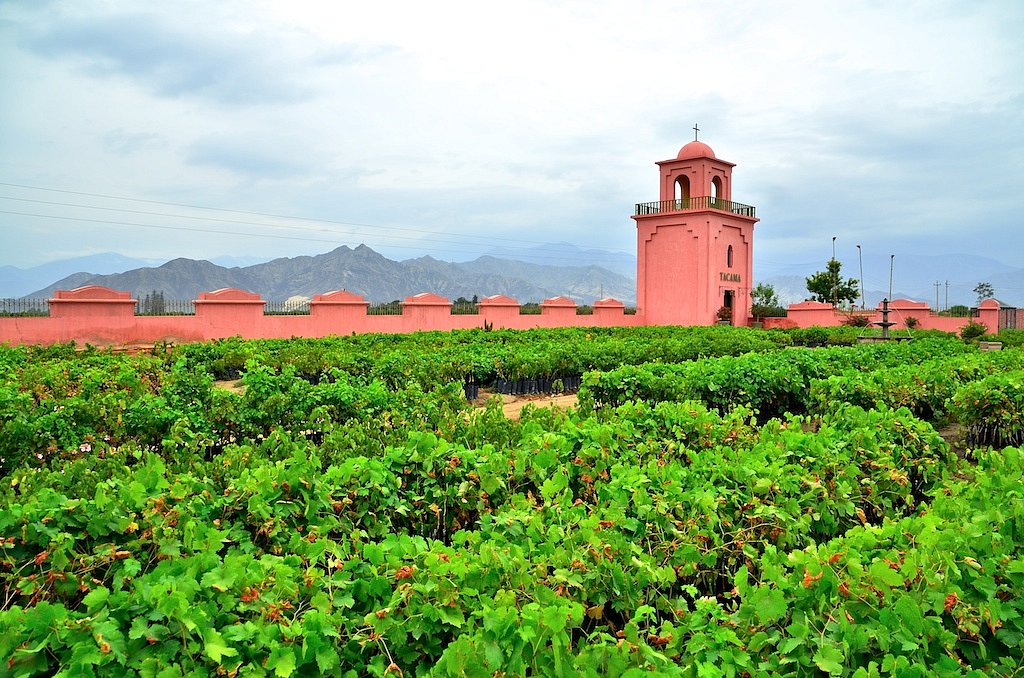
Tacama is the oldest winery in the valley and the one that best keeps its historic feel. The draw isn’t only the production: there’s colonial architecture, a bell tower you can climb to see the vineyards running into the desert, and tasting rooms with old winemaking equipment on display.
The vineyard covers 200 hectares. It’s about 11 km from central Ica, around 25 minutes by car, which makes it the farthest of the three classics. Entry costs S/ 30, paid in cash (October 2026).
Who it’s for: travelers who come for history and landscape, not only the drink. If you’re visiting a single winery and want it to be worth the photo, this is the one.
Heads-up: Tacama is closed on Mondays. Check before you go: it’s the farthest bodega, and a wasted trip costs you almost an hour there and back.
Taqará 1856 (formerly El Catador): the artisan visit
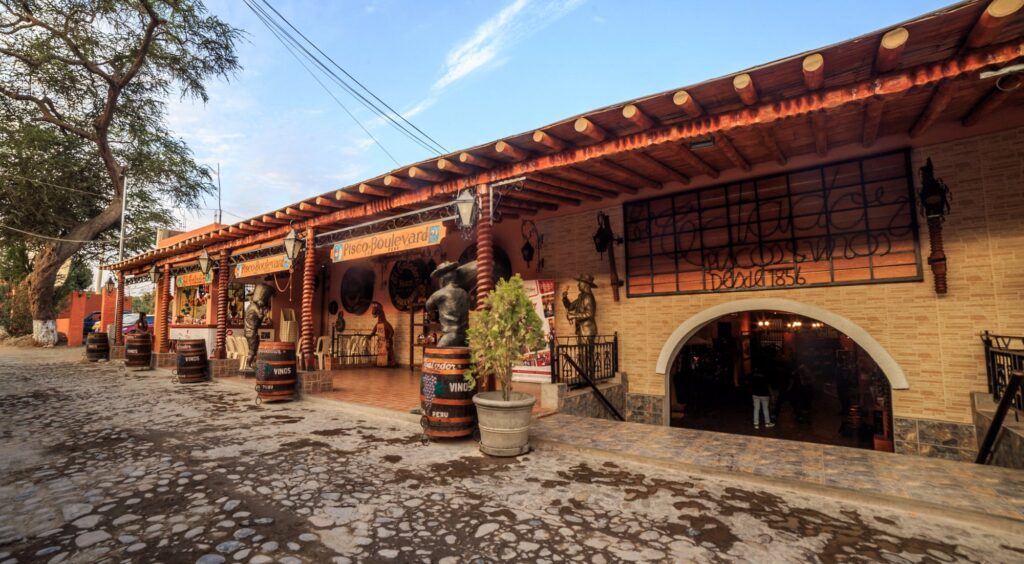
If you read about Ica wineries a few years ago, you’ll know this one as El Catador. It’s the same place: it now operates as Taqará 1856, at the same site in the Guadalupe district and with the same history going back to 1856. Worth knowing, because many reviews and guides still use the old name.
It works with traditional methods. The scale is family-sized, the visit is informal, and the guide usually explains the process next to the actual stills rather than in a showroom.
The tasting is the most varied of the three: different piscos, wines, pisco creams and, in season, cachina, a young fermented grape must that rarely leaves the region.
Who it’s for: anyone who wants to see how pisco is really made and prefers personal over polished. It also works best if you’re traveling with people who aren’t into wine, because the variety keeps the tasting interesting.
Vista Alegre: the large-scale visit
Vista Alegre is the biggest operation of the three and the most structured visitor experience. The route is well organized, the explanations are clear and the tasting covers the full range, including the pisco-based liqueurs the brand is known for.
Who it’s for: travelers who want to see modern, high-volume production, or who are short on time and want an orderly visit with no surprises. It’s also the usual swap on Mondays, when Tacama is closed.
Other Ica Wineries Worth the Detour: Queirolo, Lazo and Caravedo
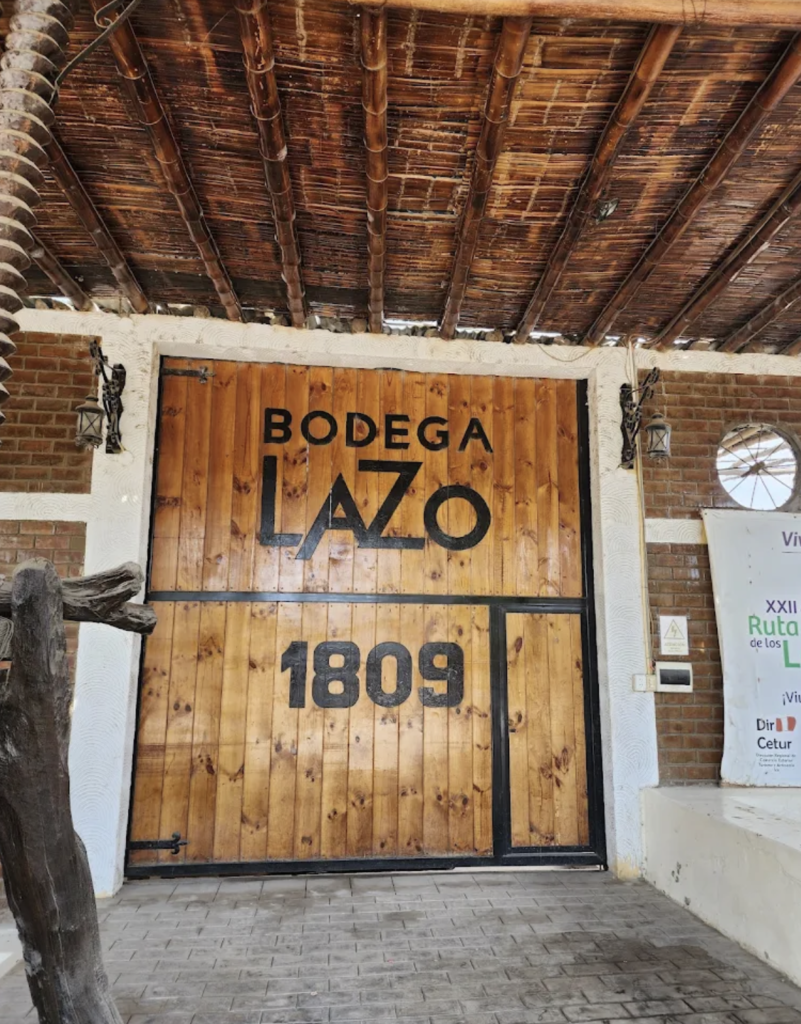
If you already know the three classics or want to step off the usual circuit, these are the ones worth the detour.
Queirolo makes the Queirolo and Intipalka labels and has a hotel on the estate, so it’s the best choice if you want to turn the visit into a stay rather than a stop.
Lazo is small and family-run, with a museum section on the history of pisco and an explanation of the grape varieties. It works very well as a middle stop between an artisan bodega and a historic one, because it changes the tone without repeating the content.
Caravedo is among the most respected for the quality of its tasting and also has rooms at the hacienda, which is handy if you’d rather not drive after a tasting.
What Will You Taste at an Ica Winery?
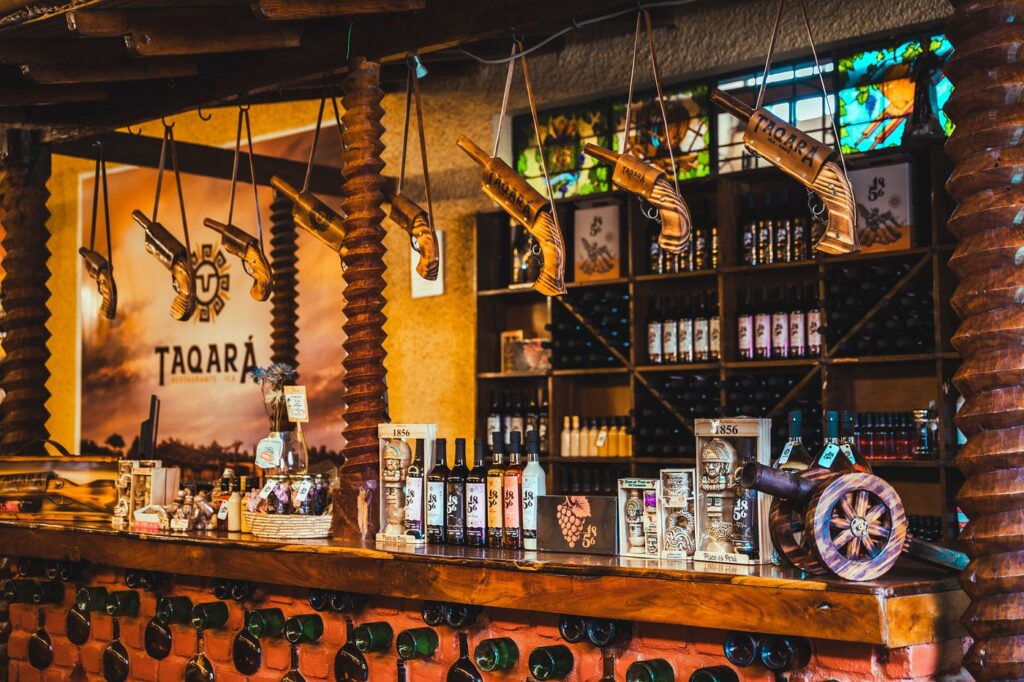
A typical tasting in the Ica wineries includes pure piscos, acholado and mosto verde piscos, local wines, pisco creams and, in season, cachina. Knowing what’s coming changes the whole experience.
Pisco puro. Distilled from a single grape variety. The designation of origin recognizes eight pisco grapes, split into non-aromatic (quebranta, negra criolla, mollar, uvina) and aromatic (italia, torontel, moscatel, albilla). Quebranta is the most common and the base of a classic pisco sour; italia and torontel are much more floral and usually surprise people tasting them for the first time.
Acholado. A blend of two or more varieties. Compare it with the pure piscos in the same tasting: it’s the easiest way to understand what each grape brings.
Mosto verde. Distilled before the must finishes fermenting, which uses more grapes per bottle and makes it more expensive. The result is silkier. It’s usually poured last.
Wines. Ica makes reds, whites and the local semi-sweet and fortified styles, which are sweeter than most visitors expect if they’re used to Chilean or Argentine wine.
Pisco creams and cachina. Creams are sweet pisco-based liqueurs. Cachina is young fermented grape must, seasonal and hard to find outside the region: if they offer it, try it.
One detail on method: Peruvian pisco has no added water and is not aged in wood. It comes out of the still at its final strength, which is why it’s tasted at room temperature in a small glass, not over ice.
How Long Does the Pisco Route Take?
Visiting three Ica wineries on your own takes 4 to 6 hours, depending on how long you stay at each one and the drives in between. On an organized tour with the visits already coordinated, the same three fit in about 3 hours.
| Stage | Time |
|---|---|
| Guided visit at each winery | 45 to 60 minutes |
| Tasting at each winery | 20 to 30 minutes |
| Drive between wineries | 15 to 25 minutes |
| Central Ica to the farthest one | About 25 minutes |
The time you save on a tour isn’t in the driving. It’s in the waiting: each bodega runs guided visits at its own set times, and that’s where the morning goes when you go on your own.
Our pacing tip: three wineries is the limit. From the fourth on, the explanations start to repeat and the tastings pile up.
If you only have a morning
Two contrasting wineries beat three similar ones. The pair that works best in little time is one artisan bodega and one large-scale winery: seeing a copper still in a family operation and then a modern production line shows you both ends of the process, and the contrast makes each one easier to understand.
When you choose the pair, order them by distance from each other rather than by fame. On a short visit, twenty avoidable minutes in the car are the difference between a relaxed tasting and a rushed one.
What Is the Pisco Route, and Is It Worth Following?
The pisco route (Ruta del Pisco) is the name for the circuit of wineries you can visit in the Ica countryside. It isn’t a signposted route or an official itinerary with a fixed order: it’s a commercial name for the valley’s visitable bodegas.
That means you don’t have to follow any set order. In practice, order them by geography, not by fame: start with the farthest and work your way back toward Ica, which saves 30 to 40 minutes of driving.
Our Pisco Route & Vineyards Tour from Ica follows that logic: hotel pickup at 10:00, Taqará 1856, Bodega Lazo and Tacama, back at 13:00, from USD 39 per person. The guide speaks Spanish by default; an English-speaking guide costs USD 37 extra per group, and the Tacama entrance (S/ 30) is paid in cash on the day. On Mondays the route swaps Tacama for Vista Alegre.
How Do You Get to Ica and Between the Wineries?
The Ica wineries are spread across the countryside outside town, and no public transport connects them. You have three real options.
| Option | Pros | Cons |
|---|---|---|
| Taxi | Flexible and cheap | Agree the full route with waiting time before you get in |
| Own car | Your own pace | Someone can’t taste |
| Organized tour | Times and transfers sorted | Less room to improvise |
With a taxi, agree the whole circuit with waiting included before you get in, not winery by winery. If you take it in legs, you risk being left without a ride back in a rural area where few cars pass.
With a tour, the real advantage isn’t the transport but the coordination. Each winery has its own guided-visit times, and chaining three without dead time means knowing when each one starts, information that isn’t reliably published anywhere.
From Lima it’s 4 to 5 hours by road along the Panamericana Sur. A same-day round trip is exhausting, so stay at least one night in Ica or Huacachina, or combine it with Paracas.
Things to Know Before You Go
- Check opening times the day before. Several wineries close one day a week (Tacama on Mondays), and guided visits leave at set times rather than continuously.
- Bring cash in soles. Some bodegas don’t take cards, and their own shop is often the best place to buy piscos you won’t find outside the region.
- Kids can visit, not taste. The vineyards and production areas are open to all ages; only the tasting is for adults.
- March and April are harvest season. It’s the most interesting time to see real production, but some wineries restrict access to certain areas.
- The valley sun is strong all year. Much of the visit is outdoors among the vines. Bring a hat and sunscreen.
- Eat something first. Tastings start early and are more generous than people expect.
How Do You Combine the Wineries With Huacachina and Paracas?
The wineries are rarely the only reason for the trip, and they fit well with everything around them.
With Huacachina: the oasis is a few minutes from Ica. The natural pairing is wineries in the morning and dunes at sunset, when the heat drops and the light is better. Our Huacachina sunset desert picnic adds buggy, sandboarding and a glass of local wine on the dunes.
With Paracas: the national reserve and the Ballestas Islands are a little over an hour away. Two days work well: Paracas and the Ballestas Islands tour on the first, wineries and Huacachina on the second.
For three days on the south coast, the order that works best is Paracas first, then Ica with the wineries and Huacachina, then back to Lima. That’s the plan we sell most for this region.

Plan Your Ica Trip With Us
Choosing the winery, lining up guided-visit times and chaining three stops without dead time is the part that eats the day. We sort that out, along with transport from Lima, hotels in Ica or Huacachina and the rest of your Peru trip.
Tell us your dates and what you like, and we’ll send you a day-by-day plan with the full price. It’s free, there’s no commitment, and we reply the same day.
FAQ
Are the Ica wineries worth visiting?
Yes, if you are interested in how pisco is made or its history, or if you are already in the area for Huacachina or Paracas. In half a day you can visit two or three bodegas with tastings included. If you don’t drink alcohol and the desert landscape doesn’t appeal to you, the appeal drops a lot.
How many Ica wineries can you visit in one day?
Three is the sensible maximum, and it takes 4 to 6 hours on your own or about 3 hours on an organized tour. With four or more, the explanations repeat and the tastings pile up.
Do you need to book Ica winery visits in advance?
The large wineries take walk-in visitors at set times, but guided visits leave on a schedule, so call ahead if you go on your own. During harvest (March and April) and on holidays, booking is recommended.
Can you visit the Ica wineries with kids?
Yes. The vineyards and production areas are open to all ages, and kids usually enjoy the stills, clay jars and vines in the middle of the desert. Only the tasting is restricted to adults.
Can you visit the wineries without drinking alcohol?
Yes. The production tour is the longest part of the visit and involves no drinking. Several wineries offer grape juice or unfermented must as an alternative in the tasting.
When is the best time to visit the Ica wineries?
The weather allows visits all year. March and April, during the harvest, is when you see active production, though some areas may be closed to visitors. The rest of the year visits are quieter.