The best food in Cusco splits into two groups: dishes you can only really eat here, like chiriuchu, adobo cusqueño and the Oropesa bread, and Peruvian classics that Cusco cooks particularly well. We plan Cusco trips every week, and the question behind “what should I eat?” is usually “what can I eat on my first day without feeling it at 3,399 m?” This guide answers both: eight dishes, what they cost, where to try them and when in your trip to order them.
Quick answer
- Only in Cusco: chiriuchu (June), adobo cusqueño (Sunday breakfast), chicharrón cusqueño (weekend breakfast) and pan chuta from Oropesa.
- Peruvian classics done well here: lomo saltado, alpaca steak, trucha frita and cuy al horno.
- First day at altitude: trucha or lomo saltado. Leave chicharrón, adobo and cuy for after you’ve acclimatized.
- Typical cost: about 18 to 90 soles per dish, from market breakfasts to sit-down cuy.
What Is the Best Food in Cusco, Dish by Dish?
The best food in Cusco is a mix of local Andean dishes and Peruvian classics. This table sums up the eight we recommend, with the price you’ll usually pay and the best moment in your trip to order each one.
| Dish | Typical cost | When to order it |
|---|---|---|
| Trucha frita | 25 to 45 PEN | First day, light |
| Lomo saltado | 25 to 50 PEN | Any day |
| Alpaca steak | 30 to 60 PEN | After a hiking day |
| Chicharrón cusqueño | 18 to 25 PEN | Weekend breakfast |
| Adobo cusqueño | About 15 to 25 PEN | Sunday breakfast |
| Cuy al horno | 60 to 90 PEN | Once acclimatized |
| Chiriuchu | 25 to 40 PEN | June, Corpus Christi |
| Pan chuta | A few soles | Anytime |
What Should You Eat on Your First Day at Altitude?
On your first day in Cusco, eat light: trucha frita, lomo saltado or a soup, and skip heavy pork, cuy and alcohol. At 3,399 m digestion slows down and many travelers lose their appetite for the first 24 hours. Our tip is to leave the rich dishes, chicharrón, adobo and cuy, for your second or third day, or for after a night in the Sacred Valley, which sits lower. Drink plenty of water and try a coca or muña tea after dinner. Our guide on how many days you need in Cusco explains how we plan the altitude around the itinerary.
Which Dishes Can You Only Eat in Cusco?
Four dishes on this list are Cusco specialties you’ll struggle to find elsewhere in Peru: chicharrón cusqueño, adobo cusqueño, chiriuchu and pan chuta. Most of them are tied to a day of the week or a time of year, so it helps to plan for them.
Chicharrón Cusqueño: The Weekend Breakfast
Chicharrón cusqueño traces back to the pork dishes Spanish colonizers brought to the Andes, later reshaped with local ingredients like mote (hominy corn) and huacatay, a native Andean herb. Cuts of pork are simmered slowly, then fried in their own fat until the skin turns crackling and golden. It is traditionally served as a hearty weekend breakfast, piled with mote, boiled potato and a tangy onion-and-rocoto salsa criolla.
The dish is inseparable from Cusco’s market culture: locals line up for it on Saturday and Sunday mornings, which makes it one of the most authentic ways to eat like a cusqueño.
If you only make room for one local breakfast on the whole trip, make it this one.
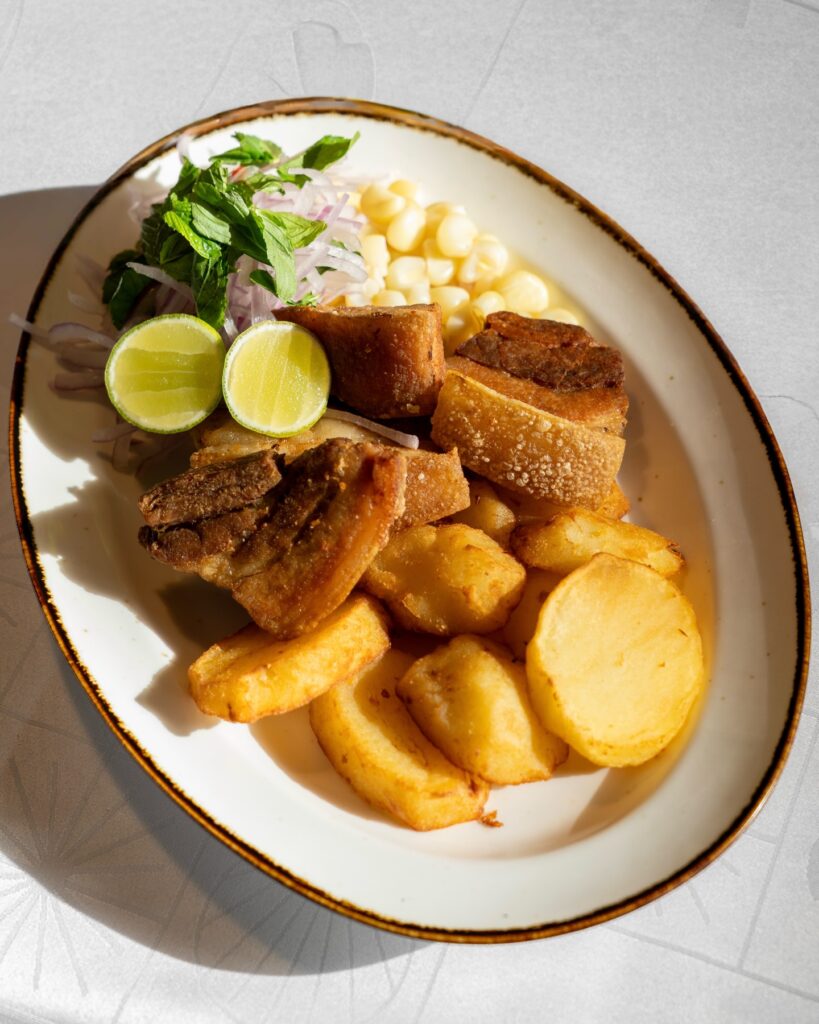
Good to know: A weekend breakfast, so most places stop serving by early afternoon. Rich and heavy, best on a day you are not heading straight up to higher altitude.
Cost: 18 to 25 PEN
Where to eat it: Mercado de San Pedro (weekend mornings), Chicha by Gastón Acurio for an elevated version
Adobo Cusqueño: The Sunday Pork Stew
Adobo cusqueño is pork marinated overnight in chicha de jora, the fermented corn drink of the Andes, with ají panca, cumin, garlic and cinnamon, then slow-cooked into a dark, aromatic broth. In Cusco it is a breakfast dish, especially on Sundays, and it is traditionally eaten with bread from Oropesa to soak up the broth. Markets like the Mercado Modelo de Ttio in Wanchaq serve it alongside other local morning dishes, according to RPP.
The dish that tells you most about how Cusco actually eats on a day off.
Good to know: Heavy and spiced, so save it for after you’ve acclimatized. Go early: market stalls sell out by late morning.
Cost: about 15 to 25 PEN, in line with a market breakfast in Cusco
Where to eat it: neighborhood markets on Sunday mornings, such as Ttio in Wanchaq
Chiriuchu: The Corpus Christi Platter
Chiriuchu, Quechua for “cold chili”, is a festival platter that brings together around a dozen ingredients on one plate: cuy, chicken, cecina (dried meat), sausage, cheese, fish roe, cochayuyo seaweed, a corn tortilla, rocoto and toasted corn. Cusco families prepare it in June, and above all for Corpus Christi, when the 15 saints come out in procession. Cooks serve each ingredient separately and suggest you combine a little of several in each bite, as Andina explains.
If you’re in Cusco on May 27, 2027 (Corpus Christi), this is the dish to look for. Our Peru festivals calendar has the full program for May and June.
Good to know: It is at its best in June, but you can find it year-round at the Mercado de San Pedro and some Historic Center restaurants. It includes cuy and offal, so ask what each piece is if you’re unsure.
Cost: 25 to 40 PEN, according to Infobae (June 2026)
Where to eat it: Mercado de San Pedro, Chicha by Gastón Acurio, Pachapapa; during Corpus Christi, the chiriucheras’ stalls in the Plaza San Francisco
Pan Chuta: The Bread From Oropesa
Pan chuta is a large, round, slightly sweet bread baked in wood-fired ovens in Oropesa, a town 22 km southeast of Cusco. Bread is so central there that Peru’s Congress declared Oropesa the “Capital Nacional del Pan” in 2022 (Law 31389), and most of the town’s families work in baking, according to Andina. You’ll find it in Cusco’s markets, or right at the bakeries on the road to the South Valley.
Good to know: If you do the South Valley route (Tipón, Pikillacta, Andahuaylillas), ask your driver to stop in Oropesa for warm bread.
Cost: a few soles per loaf, more for the large festival loaves, which can reach 50 cm across
Where to buy it: Oropesa’s bakeries, Mercado de San Pedro
Which Peruvian Classics Are Best in Cusco?
Four Peruvian dishes are easy to find in Cusco and worth ordering there: lomo saltado, alpaca steak, trucha frita and cuy al horno. Two of them, alpaca and trout, are Andean products that taste best close to where they’re raised.
Lomo Saltado: Peru's Fusion Classic
Lomo saltado is a perfect example of Peru’s ability to blend cultures on a plate. Born from Chinese-Peruvian chifa cooking, it brings together wok stir-frying with Andean ingredients: strips of beef sautéed with red onions, tomatoes and ají amarillo, mixed with French fries and served with rice. It is everyday food in Cusco, loved by locals and travelers alike.
It is hard to get a bad one: even modest restaurants usually do it well.

Good to know: Mild, not spicy: the ají amarillo adds flavor rather than heat. One of the safest first dishes if you’ve just arrived at altitude.
Cost: 25 to 50 PEN
Where to eat it: Chicha by Gastón Acurio, Morena Peruvian Kitchen
Alpaca Steak: The Lean Andean Meat
Alpacas have been raised in the Andes for thousands of years, mainly for their wool, but their meat is a staple in highland communities. Alpaca steak is lean, tender and high in protein, with a slightly sweet taste often compared to a mix of beef and lamb. Cusco chefs usually grill it and season it with native herbs like huacatay, and serve it with native potatoes or quinoa.
If you are only going to try one Andean meat on your trip, make it this one.
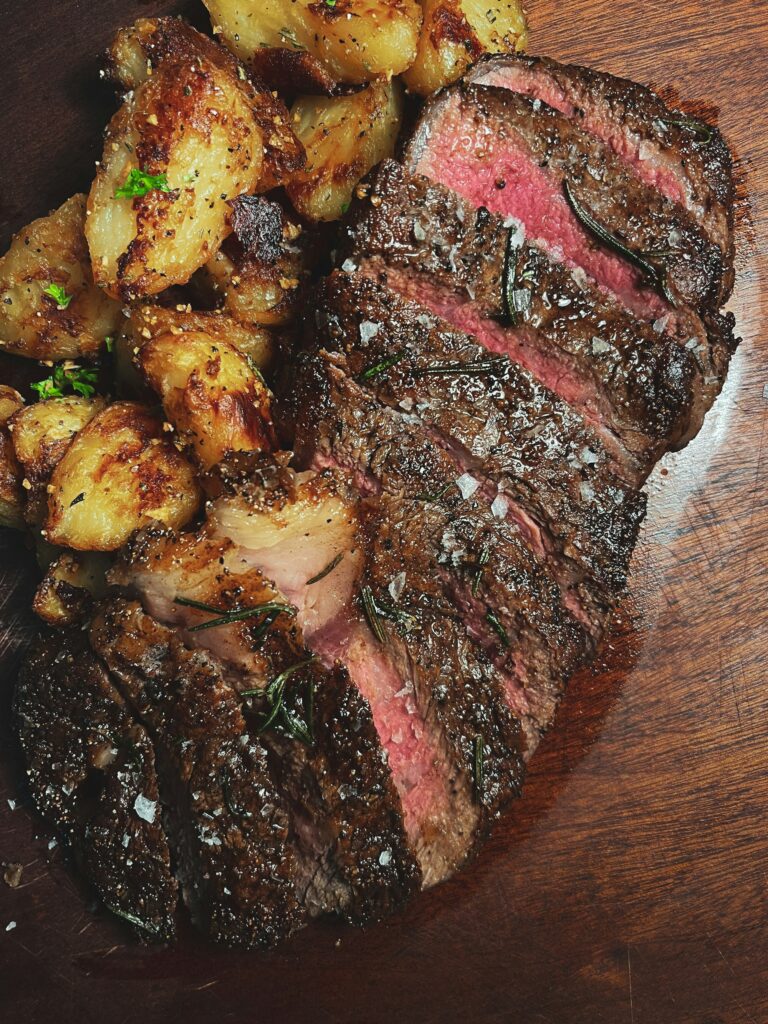
Good to know: Very lean, so ask for it medium rather than well done or it dries out. A good high-protein choice after a hiking day.
Cost: 30 to 60 PEN
Where to eat it: Uchu Peruvian Steakhouse
Trucha Frita: Andean Fried Trout
Trout is not native to Peru: it was introduced to the high-altitude lakes and rivers of the Andes in the early 20th century and adapted so well to cold mountain water that it became a staple of Andean cooking. Trucha frita is simple: the whole fish is lightly floured and pan-fried until the skin turns crisp, then served with rice, boiled potatoes and an onion-and-tomato salad. It’s a favorite on a Sacred Valley day tour, where trout farms sit next to the rivers that supply the kitchens.
The least touristy classic on this list and, to our taste, the most underrated.
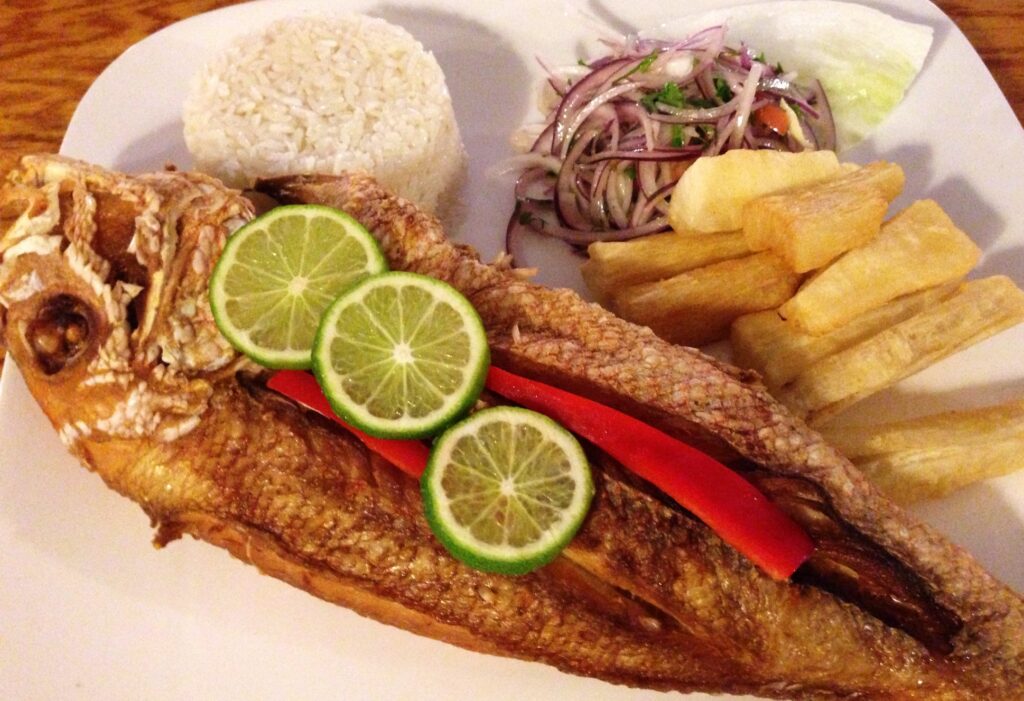
Good to know: The lightest dish here and the kindest to a stomach still adjusting to altitude. Usually served whole with bones: ask for filete for a boneless cut.
Cost: 25 to 45 PEN
Where to eat it: Pachapapa (San Blas), Inka Grill (Plaza de Armas)
Cuy al Horno: Roast Guinea Pig
Cuy, or guinea pig, has been a food for special occasions in Andean communities for centuries. In Cusco the classic preparation is cuy al horno: marinated in spices, stuffed with herbs and roasted until the skin is crisp. The meat is tender and slightly gamey, served with roasted Andean potatoes, choclo (large-kernel corn) and rocoto or ají sauces.
It is the dish on this list people think hardest about before ordering, and remember longest afterwards.
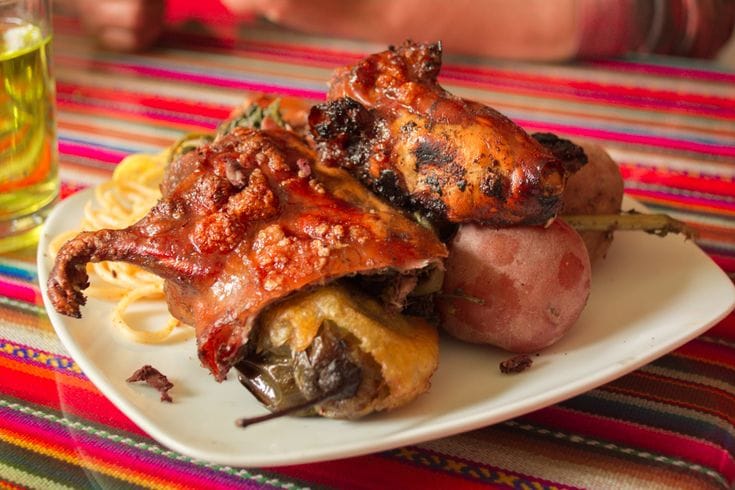
Good to know: Traditionally served whole, head included. Ask for it trozado (cut into portions) if you’d rather not see it that way, and order ahead in smaller restaurants.
Cost: 60 to 90 PEN
Where to eat it: Kusikuy, Quinta Eulalia
Plan Your Cusco Trip With Us
We plan Cusco itineraries around how you want to travel, including where and when to eat: a market morning on the weekend, a lunch stop by the river on the Sacred Valley day, a cuy dinner once you’ve acclimatized. Our Cusco itineraries run 4 to 8 days, from USD 469 per person based on 2 travelers on group tours, and any of them can go private.
The quote is free, with no commitment, and we reply the same day (Peru time). We can book your domestic flights inside Peru as part of the trip; international flights you book yourself, and we plan around them.
FAQ
What is the most typical food in Cusco?
The most typical Cusco dishes are chicharrón cusqueño and adobo cusqueño, both pork breakfasts eaten on weekends, and chiriuchu, a festival platter served in June. Cuy al horno is the best-known Andean dish visitors try.
What should I eat on my first day in Cusco?
Something light, like trucha frita, lomo saltado or a soup. At 3,399 m many travelers lose their appetite on day one, so leave heavy pork dishes, cuy and alcohol for after you’ve acclimatized.
How much does a meal cost in Cusco?
Main dishes on this list cost about 18 to 90 soles. Market breakfasts are at the low end, and cuy in a sit-down restaurant is at the top.
Is cuy worth trying in Cusco?
Yes, if you’re curious about Andean food: it’s been eaten in the Andes for centuries and Cusco is one of the best places to try it. Ask for it trozado if you’d rather not see it served whole.